3 Ways to Protect Your Garage Fridge/Freezer This Winter
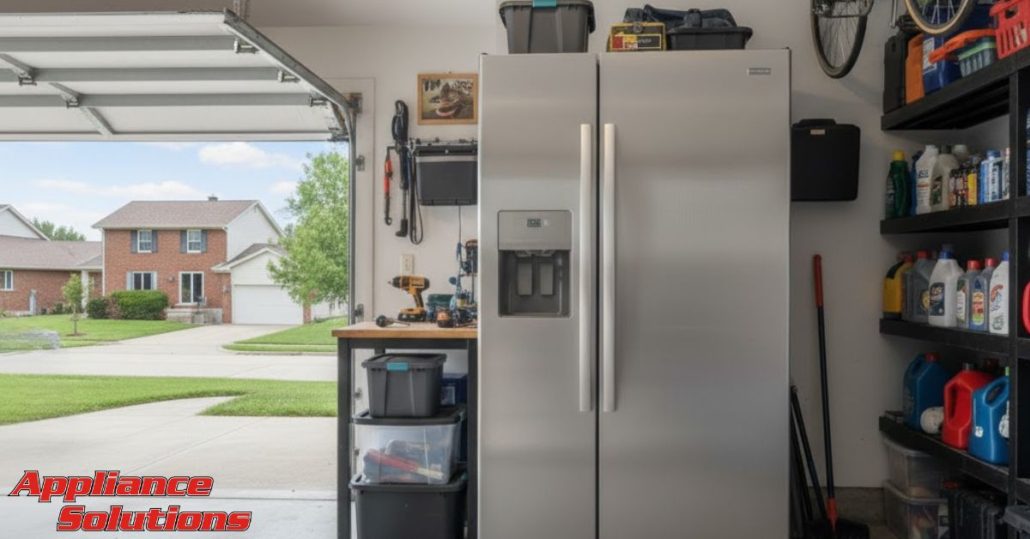
When temperatures drop in Minnesota, your garage refrigerator or freezer can struggle to maintain safe temperatures. Many standard appliances aren’t designed to operate in unheated spaces, meaning food may thaw, freeze, or spoil unexpectedly. The good news? A little preparation can help keep your garage fridge or freezer running efficiently all winter long.
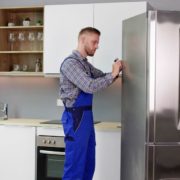
Here are three effective ways to protect your garage-based appliances this winter, recommended by the experts at Appliance Solutions in Ham Lake, MN.
1. Keep Your Garage Temperature Stable
Extreme cold is the number-one enemy of a garage refrigerator or freezer. When the surrounding temperature drops too low:
- The refrigerator thermostat may stop running the compressor
- Frozen foods in the freezer can thaw
- Refrigerated items may accidentally freeze
How to stabilize your garage temperature:
- Add a garage heater or keep the space above 35°F
- Insulate garage walls and doors to reduce temperature swings
- Seal drafts around windows and entry doors
A moderate temperature helps your appliance maintain the proper internal environment—saving energy and preventing unnecessary repairs.
2. Install a Garage Refrigerator Heater Kit
Many refrigerators are engineered for indoor use, where temperatures remain controlled. In cold weather, the fridge compartment may stay too cool, causing the freezer to stop cycling correctly.
A garage refrigerator heater kit helps solve this problem by:
- Keeping the thermostat warm enough to trigger normal freezer operation
- Preventing partial or complete thawing
- Extending the lifespan of your refrigerator
These kits are generally easy to install and are specifically designed for top-freezer models. If you’re unsure whether your appliance needs one, Appliance Solutions can help you determine compatibility and handle the installation.
 3. Choose the Right Refrigerator or Freezer for Garage Use
 3. Choose the Right Refrigerator or Freezer for Garage Use
Not all appliances are built for cold-weather performance. If you’re investing in a new garage fridge or freezer, consider choosing a garage-ready model with features such as:
- Wide temperature operation range (commonly 0°F to 110°F)
- Stronger insulation
- Advanced thermostatic controls
Garage-ready refrigerators are ideal for Minnesota winters because they maintain proper operation even when the external temperature fluctuates dramatically.
If your appliance is older or struggling during cold months, upgrading may actually save you money by reducing energy use and preventing food loss.
When to Call a Professional
If your fridge or freezer is:
- Freezing refrigerated foods
- Failing to keep the freezer cold
- Cycling constantly
- Not turning on at all in cold weather
It’s time to call a technician. The team at Appliance Solutions in Ham Lake, MN specializes in winter-related appliance issues and can help you get your unit running reliably again.
FAQs
Can I use any refrigerator in a garage?
Not always. Many standard fridges struggle in unheated garages. A garage-ready or cold-weather-rated model is best.
What temperature is too cold for a garage refrigerator?
Most fridges don’t operate correctly below 35°F. Freezers can be even more sensitive in cold conditions.
Do I really need a heater kit?
If you have a top-freezer refrigerator in an unheated garage, a heater kit is often necessary for proper winter operation.
Is it okay to unplug my garage fridge for the winter?
Yes—if you don’t need it. Empty the fridge, clean it, and leave the doors slightly open to prevent odors or mold.