
Top Questions to Ask Before Hiring an Appliance Repair Technician
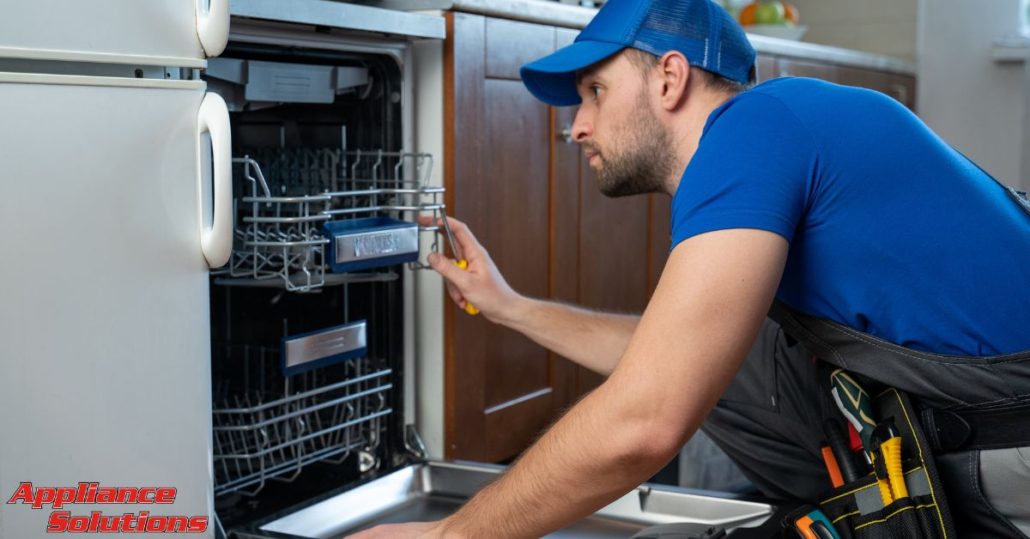
Hiring an appliance repair technician can feel like stepping into a maze—confusing, frustrating, and full of uncertainty. You don’t want to waste money, deal with a botched repair job, or end up needing a new appliance anyway. So how do you know you’re hiring the right person for the job?
Simple. You ask the right questions. Let’s break down exactly what you need to ask (and why) before letting anyone touch your appliances.
Why It’s Important to Vet Your Appliance Repair Tech
Think about it—your fridge, washer, or oven isn’t just a convenience. It’s a daily necessity. One wrong move and you could be left eating takeout for weeks or hand-washing clothes in the sink. Asking the right questions helps you:
-
Avoid scams
-
Ensure quality work
-
Protect your warranty
-
Save money in the long run
Now let’s dive into the essential questions to ask.
1. Are You Licensed and Insured?
This is your first filter. Any professional worth their salt should be fully licensed to operate in your area and carry insurance in case something goes wrong.
Why it matters:
If an unlicensed tech damages your appliance or home, you might have no legal recourse. Insurance ensures you’re covered if they get injured on the job.
2. What Brands Do You Specialize In?
Not every technician is trained to work on every brand. High-end appliances like Sub-Zero, Miele, or Bosch require specific expertise.
Pro Tip:
If your appliance is under warranty, using an unauthorized repair tech might void it.
3. Can You Provide References or Reviews?
Don’t take their word for it. Check Google, Yelp, or ask for direct references. A reputable technician should have a trail of happy customers.
Red flag alert:
If they hesitate or give vague answers, it could be a sign of poor workmanship or unhappy clients.
4. Do You Offer a Warranty on Your Work?
Good technicians stand behind their repairs. A service warranty of 30–90 days (or longer) is fairly standard.
Why it’s crucial:
If the same issue pops up again next week, you shouldn’t have to pay twice.
5. What’s Your Service Fee?
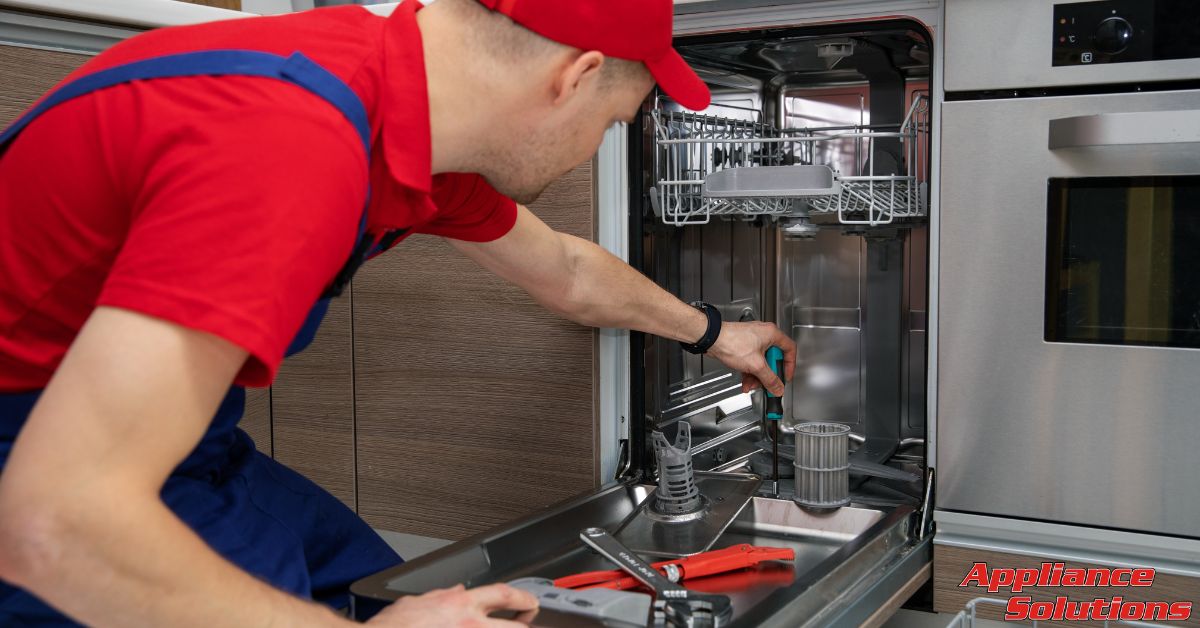
Some technicians charge a flat service call fee, while others might waive it if you go ahead with the repair.
Money-saving tip:
Ask upfront, so you’re not surprised by a $100+ fee just for a diagnosis.
6. How Long Have You Been in Business?
Experience isn’t everything, but it sure helps. A seasoned technician has likely seen your exact issue before—and knows how to fix it efficiently.
Bonus points:
Long-established businesses tend to have a reputation to uphold, which often leads to better service.
7. What’s Your Availability?
Your broken appliance doesn’t care about a tech’s schedule. Ask about response time. Do they offer same-day or emergency repairs?
Time matters:
Waiting days for a technician can mean spoiled food or laundry piling up. Speed is key.
8. Do You Carry Common Parts?
A tech who shows up empty-handed might have to leave and order a part—meaning more downtime for you.
The goal:
Look for someone who stocks parts for your appliance brand and model.
9. How Do You Handle Complex or Repeat Issues?
Repairs don’t always go as planned. Ask how they manage follow-ups or unexpected problems.
Watch for this:
A good tech should communicate clearly and not ghost you after an unsuccessful first visit.
10. Will This Repair Be Cost-Effective?
Sometimes, it’s cheaper (and smarter) to replace the appliance. A trustworthy technician will give you an honest opinion—even if it means losing a job.
Ask this directly:
“Would you repair or replace this if it were yours?”
11. Do You Have Factory Certifications or Training?
Manufacturers often offer training or certification for appliance repair professionals. These techs are more likely to understand your unit’s specific quirks.
Why this matters:
Certified techs are trained to avoid mistakes that can lead to recurring problems or damage.
12. What Payment Methods Do You Accept?
You’d be surprised how many small operations only accept cash or checks.
Protect yourself:
Using a credit card or third-party payment processor gives you an extra layer of security.
 13. Do You Work for a Company or Are You Independent?
 13. Do You Work for a Company or Are You Independent?
There’s no right or wrong here, but it helps you understand who you’re dealing with.
Know this:
Company-backed techs might offer standardized pricing and policies. Independent contractors may be more flexible.
14. How Do You Diagnose the Problem?
This question reveals how thorough the technician is. Do they just guess based on symptoms, or do they run actual diagnostics?
Confidence check:
You want someone who’s methodical, not someone who’s just “seen it before.”
15. Do You Offer Any Preventative Maintenance Tips?
A real pro will help you avoid future issues. If they just fix and go, they may not care about your long-term satisfaction.
Smart follow-up:
Ask, “What could I do differently to prevent this from happening again?”
16. What Happens if the Problem Isn’t Fixed?
This is the “what if” clause. Sometimes, a repair doesn’t stick, or another issue appears days later.
Look for:
Clear policies on rechecks, follow-ups, or partial refunds if the initial service didn’t solve the problem.
17. Do You Provide a Detailed Invoice or Report?
A written summary helps you keep track of what was done, what parts were replaced, and how much it cost.
Pro move:
This documentation is also useful if you need to follow up with a warranty or file an insurance claim.
18. Are You Environmentally Responsible?
Do they recycle old parts, dispose of materials properly, or offer energy-efficient suggestions?
Bonus for eco-conscious folks:
Green practices reflect a forward-thinking, responsible business mindset.
19. Do You Offer Any Discounts or Loyalty Programs?
You might be eligible for senior discounts, military discounts, or first-time customer promotions.
Easy savings:
Don’t be shy—ask what offers are available!
20. Can You Give an Estimate Before the Repair Starts?
A ballpark figure helps you decide whether the repair makes sense financially.
Don’t settle:
Make sure the estimate is in writing and itemized.
Choose Wisely, Ask Confidently
Hiring an appliance repair technician doesn’t have to be a gamble. The right questions act like a filter, separating the pros from the amateurs. Remember—your appliances are an investment, and so is the person you trust to fix them.
The key is simple: Don’t rush. Take a moment, ask smart questions, and trust your gut. A little conversation up front can save you a mountain of headaches later on.