
Beat the Summer Electric Bill: The Most Energy-Efficient Laundry Settings to Use This Month
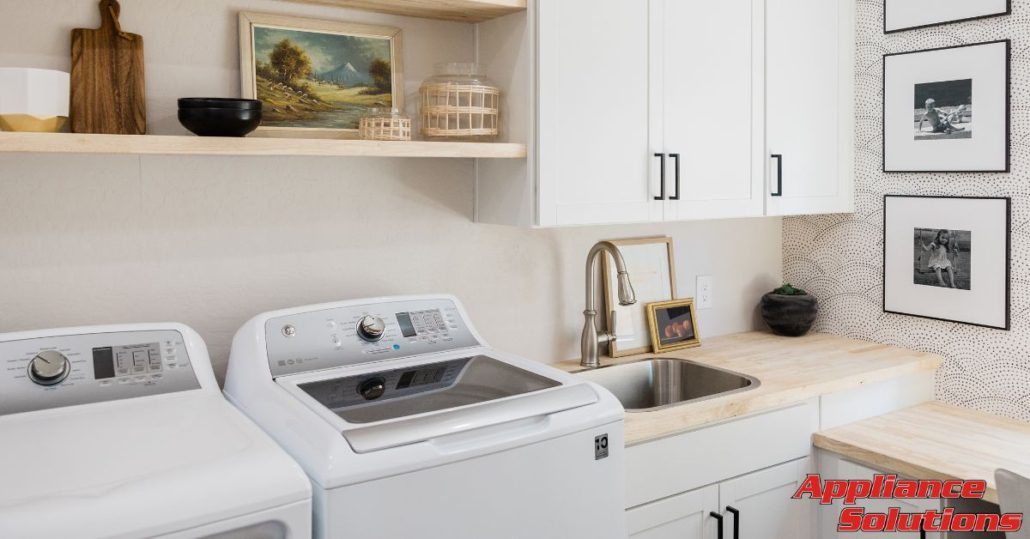
Summer heat and humidity already drive up Minnesota electric bills, but your laundry room doesn’t have to add to the pain. You can instantly lower your energy consumption by shifting to cold water washes, turning on your washer’s high spin speed setting, and switching your dryer to a low-heat or moisture-sensor cycle. If your aging laundry set is drawing too much power, Appliance Solutions in Ham Lake, MN, offers affordable, Energy Star certified upgrades to help you save all season long.
Why Summer Laundry Costs So Much in Minnesota
When June and July arrive in Anoka County, our air conditioners work overtime to combat the heavy outdoor humidity. Because your HVAC system is already drawing significant power, running major appliances during the hottest parts of the day can cause your monthly electric bill to skyrocket.
The laundry room is one of the biggest energy consumers in the modern home.
By making a few deliberate tweaks to the settings you select on your washer and dryer dashboard, you can drastically reduce your household energy footprint without sacrificing clean clothes.
The Most Energy-Efficient Washer Settings
Optimizing your washing machine comes down to controlling two main factors: how much water you heat and how much moisture you extract before the drying cycle even begins.
1. Shift to the “Cold” or “Eco-Cold” Setting
According to data from Energy Star, approximately $90\%$ of the energy consumed by a washing machine is used simply to heat up the water. Modern laundry detergents are molecularly engineered to dissolve and activate in cold water, meaning warm or hot cycles are entirely unnecessary for everyday loads. Shifting your dial from hot to warm cuts your per-load energy use in half—and dropping down to a true cold cycle saves even more.
2. Max Out the “High Spin” Option
Before you hit start, manually adjust your spin setting to High or Max Spin. While a faster spin speed draws a tiny fraction of additional mechanical electricity, it extracts significantly more water from heavy fabrics like towels and denim. The less water left in your clothes when they leave the washer, the less time they have to spend baking inside a power-hungry dryer.
3. Stick to Full Loads
Your washing machine uses nearly the exact same amount of mechanical energy to spin a partial load as it does a full one. To maximize the value of every single kilowatt-hour, hold off on running a cycle until you have gathered a loosely packed, full load of laundry.
The Smartest Dryer Settings for Summer Savings
Dryers generate heat via heavy electrical resistance elements or gas burners, making them an efficiency priority during peak summer months.
1. Choose “Sensor Dry” Over “Timed Dry”
Never rely on the traditional timed drying dial. Running a dryer for an arbitrary 60 minutes often results in the machine running long after your garments are completely dry, wasting power and prematurely wearing down your clothing fibers. Modern units feature Moisture Sensors that continuously read the humidity levels inside the drum, instantly shutting the machine down the exact moment your clothes are ready.
2. Use Low Heat Cycles
It sounds counterintuitive, but a longer drying cycle on a lower heat setting consumes less total electricity than a short, blast-furnace cycle on high heat. High heat puts intense thermal strain on both your machine’s internal components and your clothing.
 Practical Efficiency Hacks for Every Home
 Practical Efficiency Hacks for Every Home
- Clean the Lint Screen Every Single Time: A clogged lint trap chokes out your dryer’s exhaust airflow, forcing the heating element to work harder and adding up to 15 minutes of runtime per load.
- Time Your Laundry Days Strategically: Avoid running your dryer between the peak hours of 4:00 PM and 7:00 PM when external temperatures are highest and regional electrical grids are under maximum stress. Running laundry early in the morning or later in the evening keeps your home cooler and reduces the load on your air conditioner.
Upgrade Your Efficiency in Ham Lake, MN
If your current washer and dryer set is more than a decade old, it could be consuming up to $35\%$ more water and $20\%$ more electricity than modern standard units.
Located right along Highway 65 in Ham Lake, Appliance Solutions is dedicated to helping North Metro families find high-efficiency appliances that fit their budget. Our showroom features a massive selection of Energy Star certified machines, including top-tier open-box, reconditioned, and scratch-and-dent models that deliver cutting-edge energy savings at a fraction of retail costs. Stop by today or call our expert appliance parts desk to keep your home running smoothly and efficiently all summer long.
FAQ
Does washing clothes in cold water actually get them clean?
Yes, modern laundry detergents are specifically engineered with enzymes that activate efficiently in cold water to break down dirt, sweat, and stains. Unless you are sanitizing bedding from an illness or treating heavy, oil-based grease stains, a cold water wash is highly effective and eliminates up to $90\%$ of the energy used per cycle.
Why is the moisture sensor setting more efficient than timed drying?
The moisture sensor setting uses internal metal bars to detect real-time humidity levels inside the dryer drum. This allows the machine to shut off automatically the exact second your clothes are dry. Timed drying relies on a strict countdown timer, which frequently over-dries clothes, wastes electricity, and causes fabric damage.
Where can I find affordable Energy Star laundry appliances near Blaine?
Appliance Solutions is located at 16345 Minnesota 65 NE in Ham Lake, MN, just minutes north of Blaine. We offer a rotating inventory of energy-efficient, budget-friendly scratch-and-dent and reconditioned washers and dryers designed to lower your summer utility bills.