Budget-Friendly Kitchen & Laundry: Your Local Source for Reconditioned Appliances
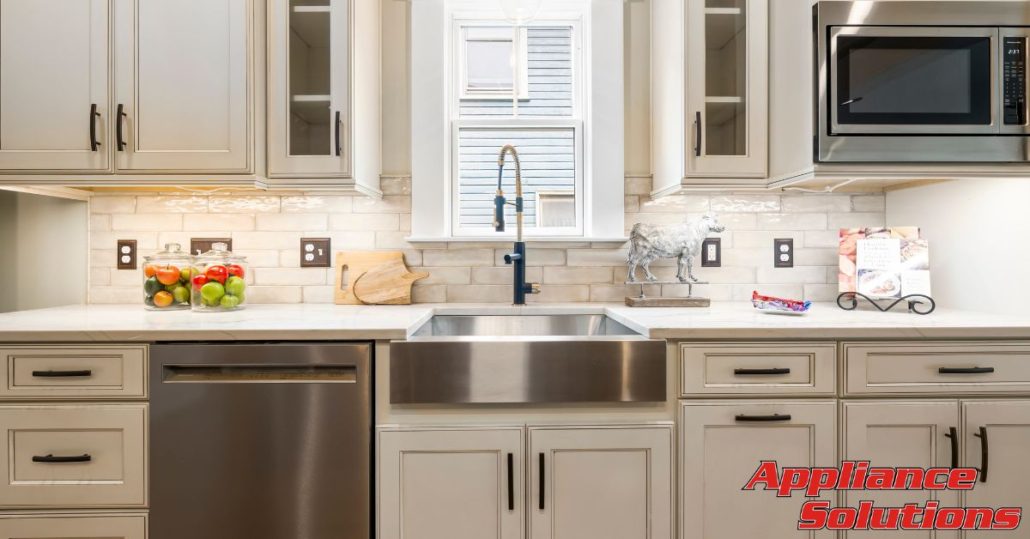
Have you ever walked into an appliance store, glanced at the price tags, and felt your wallet shrink? You’re not alone. The cost of brand-new refrigerators, washers, and ovens has soared in recent years, leaving many households scrambling for affordable alternatives. That’s where reconditioned appliances come in—a game-changer for anyone wanting a functional, reliable kitchen or laundry setup without draining their savings.
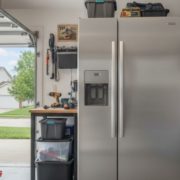
Reconditioned appliances are exactly what they sound like: used appliances that have been inspected, repaired, cleaned, and restored to a condition close to new. Think of them like certified pre-owned cars. Someone else owned them first, but before they’re resold, they go through a meticulous process of repairs and quality checks to ensure they work like they should. From fridges that keep your groceries fresh to washers that handle piles of laundry, these reconditioned items are often indistinguishable from new ones in terms of performance.
The best part? They come with price tags that don’t make you flinch. You can easily save hundreds, sometimes thousands, by choosing reconditioned over brand new. But it’s not just about the money—it’s about being smart, sustainable, and savvy in how you furnish your home.
What Are Reconditioned Appliances?
Reconditioned appliances aren’t simply “used” appliances. There’s a big difference. A used appliance is sold as-is—you take it home in whatever condition it’s in. Reconditioned, on the other hand, means the appliance has been professionally refurbished by experts who repair any issues, replace broken parts, and test the machine for safety and functionality.
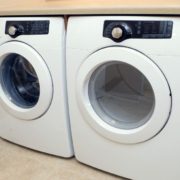
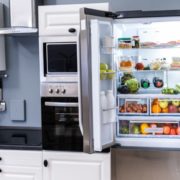
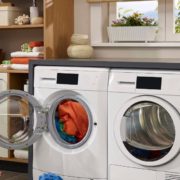
For instance, a reconditioned washing machine might get a new motor, hoses, and a fresh paint job. A refrigerator could have its compressor checked, seals replaced, and shelves cleaned until they shine. Essentially, these appliances are given a second life—and you, the buyer, get the benefit of a lower price without sacrificing reliability.
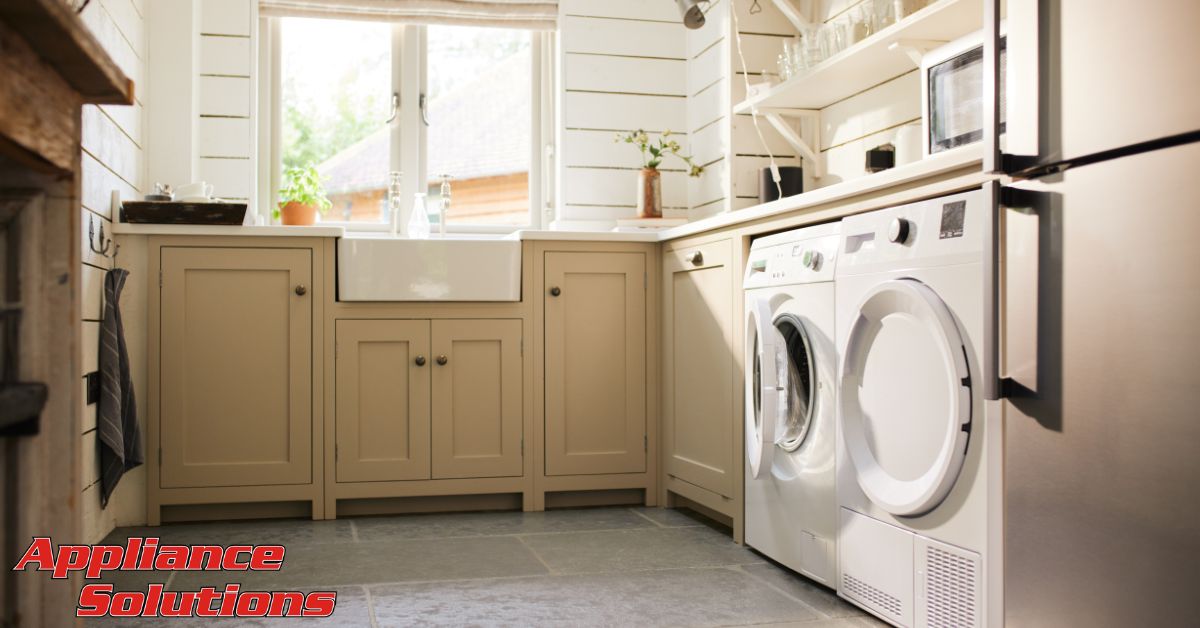 Many reputable local appliance shops and reconditioning centers take pride in their process. They often source appliances from trade-ins, store returns, or overstock items. Then they perform inspections, swap out faulty components, and make sure the machines are ready to serve a new household for years to come.
Why Choose Reconditioned Over Brand New?
The obvious answer is the cost savings, but that’s only scratching the surface. Sure, a new washing machine might cost $1,000, while a reconditioned one might run you $400—but the benefits go beyond dollars and cents.
First, consider value for money. Many reconditioned appliances are mid-to-high-end models that originally sold for premium prices. By buying reconditioned, you could end up with a luxury-brand fridge for the price of an entry-level one.
Second, think about availability and selection. Appliance shortages have become common, with new models on backorder for months. Reconditioned options, however, are often ready to take home the same day.
Lastly, there’s the environmental factor. Every time you buy reconditioned, you help keep perfectly good machines out of landfills. That means fewer discarded appliances rusting away in junkyards and fewer new resources used to manufacture replacements.
Buying reconditioned isn’t just a budget decision—it’s a smart, sustainable choice that benefits your home, your wallet, and the planet.
The Rising Cost of New Appliances
If you’ve shopped for new appliances lately, you’ve probably noticed something: the prices keep climbing. A few years ago, you could get a decent refrigerator for $600. Today, that same fridge might cost $1,200 or more. So, what’s behind this price surge?
For one, inflation has driven up costs across the board. The materials used to build appliances—steel, plastic, microchips—are more expensive than ever. Supply chain disruptions from the past few years have also played a major role. Factories shut down, shipping slowed, and suddenly that shiny new washer wasn’t just pricey—it was also on backorder.
The problem is especially tough for households on a tight budget. Appliances aren’t luxury items; they’re essentials. You can’t just “do without” a fridge or a washer for months while you save up. That’s where the appeal of reconditioned appliances becomes crystal clear—they bridge the gap between necessity and affordability.
Inflation and Its Impact on Household Purchases
Inflation doesn’t just affect gas and groceries—it hits major purchases like appliances hard. In the past five years, the price of new kitchen and laundry equipment has risen anywhere from 15% to 30%, depending on the brand and model. This puts significant strain on families already dealing with higher living costs.
When faced with a broken fridge or dryer, many people feel cornered. They either take on debt to buy new or settle for a “cheap” new model that might not last. But there’s another option: reconditioned.
By going the reconditioned route, you can stretch your budget further. Instead of one new appliance, you might afford two or three reconditioned ones for the same price. That’s especially helpful when you’re trying to replace multiple items at once or set up a new home on a limited budget.
 How Reconditioned Appliances Fill the Gap
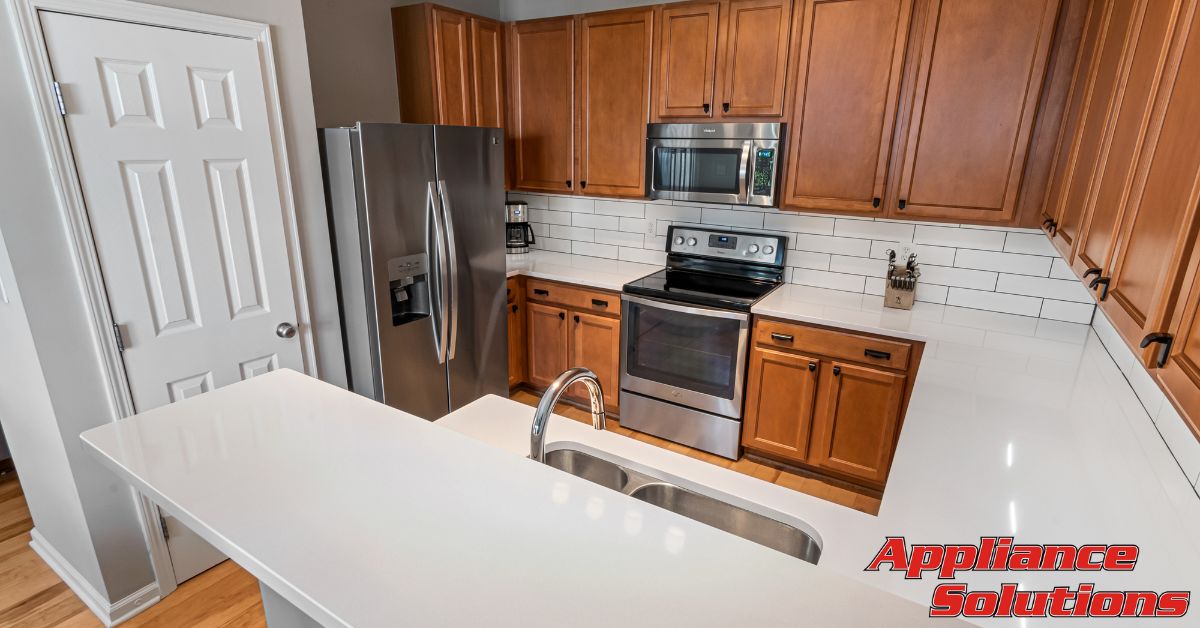 How Reconditioned Appliances Fill the Gap
Reconditioned appliances are the budget-friendly solution to this inflation problem. They let you sidestep the premium price of new machines without compromising on quality.
Imagine this: You need a fridge and a washer. Buying both new might cost you over $2,000. Opt for reconditioned, and you might spend $800–$1,000 total—leaving room in your budget for other household needs.
Reconditioned appliances also offer peace of mind. Many sellers include warranties (sometimes up to a year) to protect your purchase. That means you’re not just buying “used stuff”—you’re getting reliable machines backed by service guarantees.
For many families, reconditioned appliances aren’t just a stopgap—they’re the smart choice for the long run.