Extending the Life of Your Appliances Through Proper Repair and Maintenance
Home appliances are a big investment, and most homeowners want to get as many years of use from them as possible. The good news is that with the right appliance repair and maintenance practices, you can extend the lifespan of your refrigerator, washing machine, oven, dishwasher, and other household essentials. Not only does this save you money on replacements, but it also helps your appliances run more efficiently.
In this article, we’ll share practical tips to help you take better care of your appliances, recognize when repairs are needed, and prevent common issues before they become expensive problems.
Why Appliance Maintenance Matters
Routine maintenance keeps appliances performing at their best. Dust, dirt, and wear can cause components to fail prematurely. For example:
-
Refrigerators need clean condenser coils to maintain cooling efficiency.
-
Washers and dryers last longer when lint and detergent buildup are removed.
-
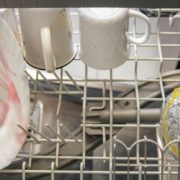
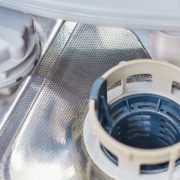
Dishwashers benefit from regular filter cleaning to avoid clogs.
By taking preventive steps, you can avoid breakdowns, lower energy bills, and extend the usable life of your machines.
Key Appliance Maintenance Tips
Here are some simple, effective tips to keep your appliances in top condition:
1. Refrigerator Maintenance
-
Clean condenser coils at least twice a year.
-
Check and replace door seals if they’re loose or cracked.
-
Avoid overfilling, which can block air circulation.
2. Washing Machine Care
-
Run an empty hot-water cycle with vinegar monthly to prevent odor.
-
Inspect hoses for leaks and replace them every 3–5 years.
-
Avoid overloading, which strains the motor and drum.
3. Dryer Safety
-
Clean the lint trap after every load.
-
Inspect and clean the dryer vent regularly to prevent fire hazards.
-
Ensure proper airflow to improve drying efficiency.
4. Dishwasher Cleaning
-
Remove food debris from the filter weekly.
-
Run a cleaning cycle with vinegar or a dishwasher cleaner monthly.
-
Check spray arms for clogs to ensure proper water flow.
5. Oven and Stove Care
-
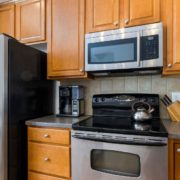
Wipe spills promptly to prevent buildup.
-
Check burners for blockages.
-
Avoid using harsh chemicals on self-cleaning ovens.
 When to Repair vs. Replace an Appliance
 When to Repair vs. Replace an Appliance
Even with proper maintenance, every appliance eventually shows signs of wear. Here are some guidelines to help decide:
-
Repair if the issue is minor, such as a broken seal, faulty switch, or clogged filter.
-
Replace if the repair costs more than half the price of a new unit or the appliance is well past its expected lifespan.
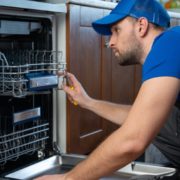
A qualified appliance repair technician can help you determine the most cost-effective option.
Benefits of Professional Appliance Repair
While DIY maintenance is essential, some repairs are best left to professionals. Hiring a licensed appliance repair service ensures:
-
Correct diagnosis of problems.
-
Use of manufacturer-approved replacement parts.
-
Safe handling of electrical and gas-powered components.
Professional service can add years of life to your appliances and provide peace of mind.
Taking care of your household appliances through regular repair and maintenance can significantly extend their lifespan. Simple habits like cleaning, inspecting, and scheduling professional service when needed not only save money but also keep your home running smoothly.
If you’re unsure about a repair or notice unusual noises, leaks, or performance issues, don’t wait—contact a trusted appliance repair technician. A little preventive care today can prevent major breakdowns tomorrow.
FAQs on Appliance Repair and Maintenance
Q: How often should I service my appliances?
A: Most appliances should be inspected and cleaned at least once a year. High-use machines like refrigerators and washers may need more frequent attention.
Q: Can I do appliance repairs myself?
A: You can handle simple tasks like cleaning filters, replacing hoses, or tightening loose parts. For electrical or complex repairs, always call a professional.
Q: What is the average lifespan of home appliances?
-
Refrigerators: 10–15 years
-
Washers and Dryers: 8–12 years
-
Dishwashers: 7–10 years
-
Ovens and Stoves: 10–15 years
Q: Does regular maintenance really save money?
A: Yes. Preventive maintenance reduces energy consumption, prevents costly breakdowns, and delays the need for expensive replacements.