Why is my dishwasher not cleaning thoroughly?
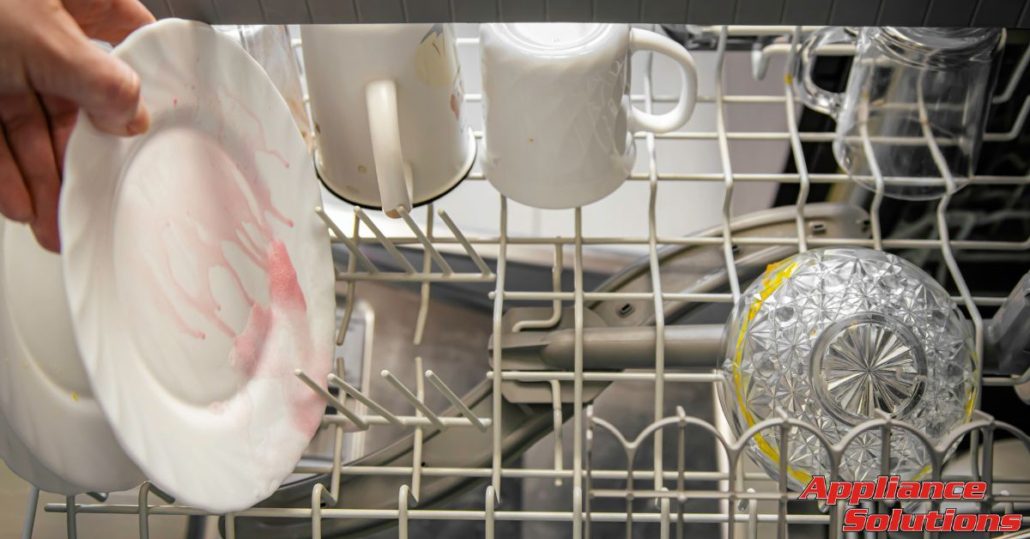
Let’s face it—there’s nothing more frustrating than opening your dishwasher expecting sparkling clean dishes, only to find crusty food bits and cloudy glasses. You bought a dishwasher to make life easier, not to rewash dishes by hand, right? If you’re asking yourself, “Why is my dishwasher not cleaning thoroughly?”, don’t worry. You’re not alone—and you don’t need to call a repair technician just yet.
There are several common reasons your dishwasher might not be doing its job well, and most of them are easier to fix than you’d think. Let’s dive into the possible culprits and simple dishwasher repair tips you can try today.
Dirty Filters Are a Hidden Villain
You wouldn’t run a vacuum without emptying the bag, right? Same logic applies here.
Your dishwasher has filters designed to catch food particles and debris. Over time, these get clogged, causing water flow issues and reducing the overall cleaning performance. A dirty filter means dirty water being circulated around your dishes. Yuck.
How to Fix It
-
Locate the filter at the bottom of the dishwasher (usually under the lower spray arm).
-
Twist and lift it out.
-
Rinse it thoroughly under warm water and use an old toothbrush to scrub off the grime.
-
Reinstall and run a cycle.
Cleaning your filter once a month can make a world of difference.
Spray Arms Could Be Clogged
Those spinning arms? They’re more than just fancy hardware. They’re the key players in getting water to all corners of your dishwasher.
If the small holes in the spray arms are clogged with food particles, hard water deposits, or grease, the water can’t spray out properly. That means your dishes stay dirty, especially those on the top rack.
How to Fix It
-
Remove the spray arms (usually they just snap or unscrew off).
-
Use a toothpick, needle, or small brush to clean out the nozzles.
-
Rinse under running water and shake out any leftover gunk.
-
Reattach and run a cycle with a cleaner to clear the lines.
 You’re Overloading (Yes, You Are)
 You’re Overloading (Yes, You Are)
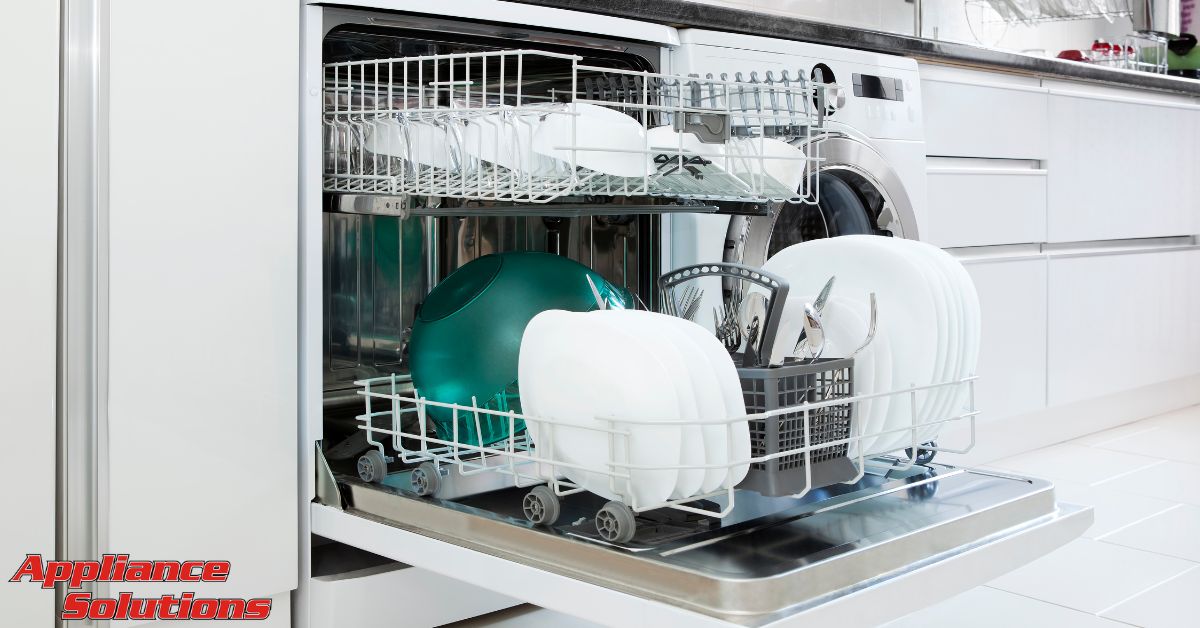
We get it—you want to run fewer loads and save time and energy. But cramming too many dishes together restricts water flow and stops detergent from reaching every surface.
Bowls nested inside each other? Spoons all spooning each other? Plates blocking spray arms? That’s a recipe for a dishwasher disaster.
How to Fix It
-
Load plates vertically, facing the center.
-
Keep utensils mixed and spaced out.
-
Don’t stack dishes tightly; leave room for water to circulate.
-
Top rack for cups and plasticware, bottom rack for heavy stuff.
Wrong Detergent or Not Enough
Not all detergents are created equal. Using a low-quality detergent, or not using enough, could leave you with grimy results. Worse, some detergents don’t dissolve well in hard water.
How to Fix It
-
Try switching to a high-quality, enzyme-based detergent pod or powder.
-
Avoid liquid dish soap—it’s not meant for dishwashers.
-
Add a rinse aid if your glasses are coming out spotty.
-
Use the right amount based on your water hardness (your local water supplier can tell you if you’ve got hard water).
Hard Water Is a Silent Saboteur
Hard water, loaded with minerals like calcium and magnesium, can leave a film on your dishes and clog spray arms and filters. Over time, it builds up inside your machine and affects overall performance.
How to Fix It
-
Install a water softener, if you can.
-
Use dishwasher cleaners monthly to combat buildup.
-
Consider using detergent with built-in water softeners.
-
Add a rinse aid to prevent water spots.
You’re Using the Wrong Cycle
Most dishwashers have multiple cycle options, and the default one isn’t always the best. If you’re using a light wash or eco mode for greasy pans or baked-on food, it’s no wonder they’re not coming out clean.
How to Fix It
-
Read your dishwasher manual (seriously—it’s not just paper).
-
Use “Heavy” or “Pots & Pans” mode for tougher loads.
-
Avoid quick or express cycles for heavily soiled dishes.
-
Pre-soak or rinse dishes that have dried-on messes.
The Water Temperature Is Too Low
Dishwashers need hot water—ideally around 120°F (49°C)—to dissolve grease and activate detergent. If your water heater is set too low, or your dishwasher isn’t getting hot enough, you won’t get clean dishes.
How to Fix It
-
Run the hot water in your sink for a minute before starting the dishwasher.
-
Check your water heater and set it to 120°F.
-
Some dishwashers have a built-in water heater; if that’s failing, it might need repair.
Poor Loading Strategy
There’s actually a method to the madness when it comes to loading your dishwasher. Tossing everything in randomly can block water jets and result in uneven cleaning.
How to Fix It
-
Load large items on the sides and back.
-
Keep cups and bowls angled downward for drainage.
-
Don’t place pans or trays in front of the detergent dispenser.
-
Ensure spray arms can rotate freely.
Blocked Detergent Dispenser
If the detergent door doesn’t open during the wash cycle, your dishes are essentially getting rinsed with warm water. That’s not going to cut it for spaghetti sauce and lasagna cheese.
How to Fix It
-
Check if the dispenser is blocked by tall dishes or utensils.
-
Clean the dispenser with a damp cloth.
-
Test it by running an empty cycle and watching if it opens.
Low Water Pressure
Your dishwasher relies on a strong water flow to blast food off dishes. If the water pressure in your home is too low, or if the inlet valve is partially clogged, you’re going to get lackluster results.
How to Fix It
-
Make sure your home water pressure is above 20 PSI.
-
Inspect the water inlet valve for debris or blockages.
-
Replace the valve if it seems damaged or worn.
Food Left on the Dishes
 Food Left on the Dishes
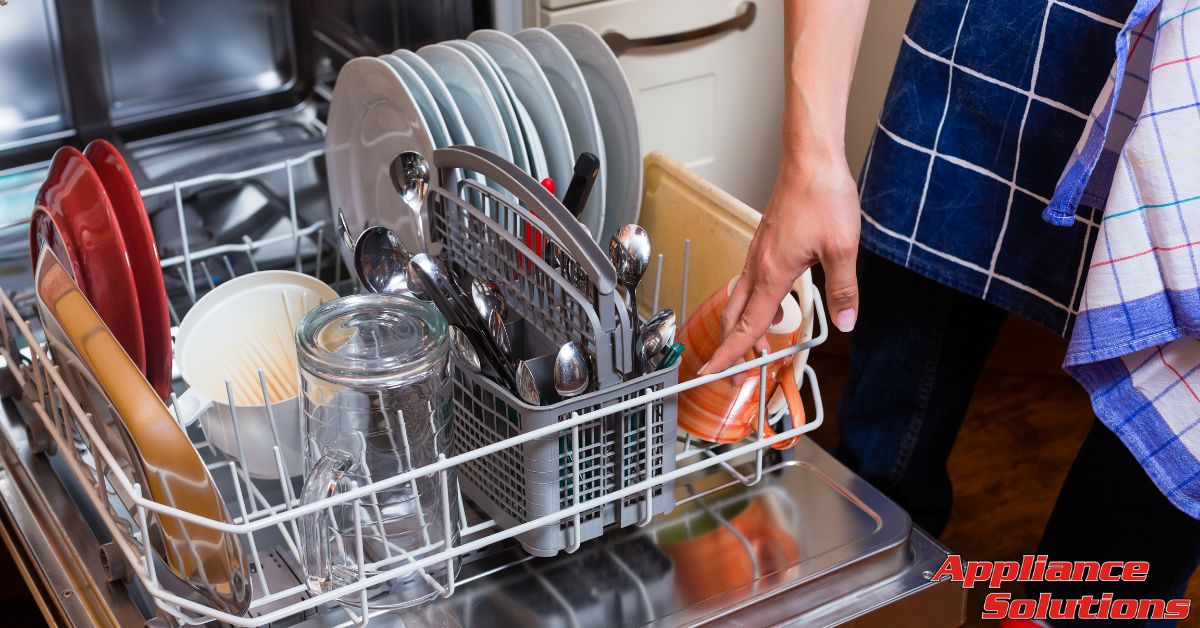
Okay, here’s a controversial one—should you pre-rinse? Truth is, modern dishwashers are built to handle some food residue. But big chunks of food? That’s just asking for clogs.
How to Fix It
-
Scrape off large food pieces before loading.
-
No need to rinse everything to spotless—just don’t overload with leftover lasagna.
Drainage Issues
If dirty water isn’t draining properly, it might be sloshing back onto your dishes during the cycle. That defeats the entire purpose of washing, doesn’t it?
How to Fix It
-
Check for kinks or clogs in the drain hose.
-
Inspect the air gap near your sink (if you have one) for clogs.
-
Clean the dishwasher drain filter regularly.
Worn-Out Parts
Sometimes, parts just get old. The motor, heating element, or pump may be underperforming due to wear and tear. If you’ve tried everything and it’s still not working, a part may need replacing.
How to Fix It
-
Look for signs: no heat during drying, weak spray pressure, noisy cycles.
-
Schedule a professional inspection.
-
Weigh dishwasher repair costs versus getting a new machine.
Using Old or Expired Detergent
Believe it or not, dishwasher detergent can go bad. Moisture can cause it to clump, and old detergent loses its effectiveness. If you’re using an old box that’s been sitting for a year? Toss it.
How to Fix It
-
Store detergent in a cool, dry place.
-
Replace old pods or powder if they smell weird or look clumpy.
-
Always seal the container tightly after each use.
Dishwasher Repair
If your dishwasher isn’t cleaning like it used to, it’s probably not broken—it’s just dirty or being used inefficiently. By checking the filters, spray arms, detergent, water temperature, and loading habits, you can usually solve the issue yourself without spending a dime on repairs.
Think of your dishwasher as a small kitchen warrior—it just needs the right tools, the right strategy, and a little TLC to win the battle against grime.