Why is my washing machine leaking?
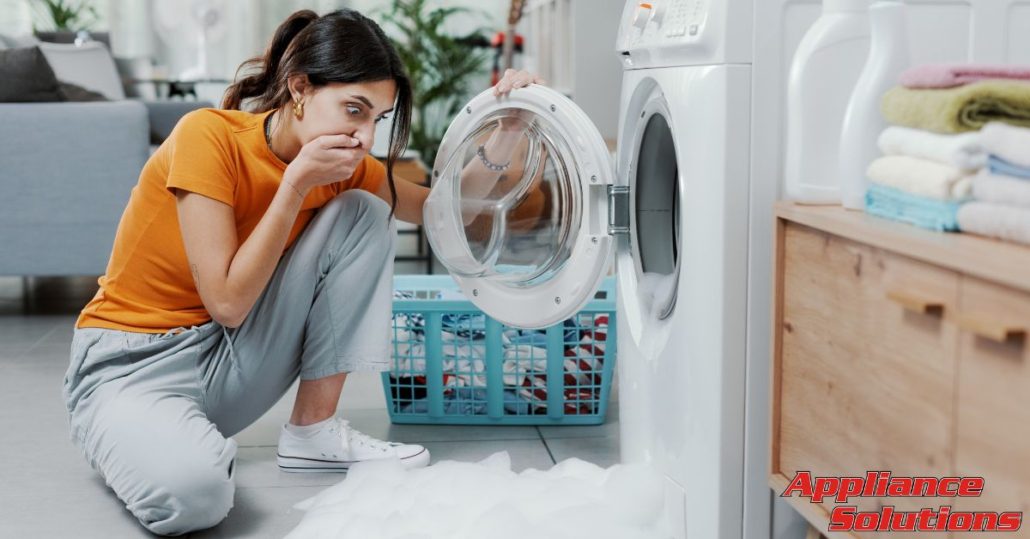
A leaking washing machine can be an incredibly frustrating problem to deal with, and one that often seems to catch you off guard. Imagine starting a load of laundry, only to discover water pooling around the base of your washing machine. Not only does this cause inconvenience, but it can also lead to potential water damage if left unchecked. But why is your washing machine leaking in the first place? There are several possible reasons, and in this article, we’ll explore the most common culprits and some washing machine repair tips.
A Loose or Damaged Door Seal
The most common reason for a leaking washing machine is a worn or damaged door seal. This rubber gasket, located around the door of the washing machine, serves to keep water inside during the wash cycle. Over time, this seal can wear out due to constant exposure to water and detergent, becoming cracked or torn. When this happens, water can escape through the door during the washing process.
If your washing machine leaks from the front while it’s running, this is a likely cause. In this case, replacing the door seal is relatively easy, and you can do it yourself or have a professional repair person handle it. However, it’s essential to inspect the door seal regularly to avoid this problem in the future.
Clogged or Kinked Hoses
Another common cause of washing machine leaks is clogged or kinked hoses. These hoses, which connect your machine to the water supply, carry water into and out of the washer. If a hose is kinked, it could lead to water leakage from the connection points. On the other hand, if the hoses are clogged with detergent, lint, or minerals from hard water, it could cause a backup that results in leaking.
To prevent this, you should regularly inspect the hoses for any signs of damage or blockages. You may want to replace old or cracked hoses and clean out any blockages that may develop over time.
Faulty Water Inlet Valve
If your washing machine leaks from the bottom or from the back, the issue could lie in the water inlet valve. This valve controls the flow of water into the machine. If the valve is damaged or not functioning properly, it may leak water onto the floor during the fill cycle.
In most cases, a faulty inlet valve will need to be replaced. It’s a good idea to check for any signs of wear and tear around the valve area. If you suspect the valve is the issue, it’s best to contact a professional to ensure a proper repair is made.
Overloading the Washer
It might seem harmless, but overloading your washing machine can cause leaks. When you pack the drum too tightly with clothes, the washer has to work harder to balance the load. This can lead to excessive vibrations and cause the seals and gaskets to wear out more quickly. Additionally, when there are too many clothes in the machine, water may have a harder time draining properly, leading to a potential leak.
To avoid this, be sure to follow the manufacturer’s guidelines for load size. Regularly check that the drum has enough space for clothes to move freely.
Blocked or Broken Drain Pump
The drain pump is another critical component of your washing machine. It ensures that water is pumped out of the drum during the wash and rinse cycles. If this pump becomes clogged with debris, such as coins, lint, or small clothing items, it may malfunction. When this happens, water can back up into the machine and cause leakage, especially during the spin cycle.
If you suspect the drain pump is the cause, check for any blockages or signs of damage. It’s also a good idea to have the pump inspected by a professional if you’re unsure.
Worn-out or Loose Tubing
Your washing machine also has various tubes and hoses that carry water from the valve to the drum and from the drum to the drain. These tubes can become loose over time or suffer from wear and tear. If you notice that water is leaking from the side or the bottom of the machine, it’s possible that one of the tubes has become dislodged or cracked.
To check for this, inspect the tubing around the machine for any visible damage. Tighten any loose connections or replace any broken tubes as needed.
Malfunctioning Pump Belt
Some washing machines, especially older models, rely on a pump belt to help circulate water during washing and draining. If the pump belt becomes worn, loose, or broken, the machine may not drain properly, which could result in water leaking from the machine.
If you hear unusual noises coming from the machine or notice that it’s not draining as efficiently as it used to, it might be time to inspect the pump belt. Replacing a malfunctioning pump belt is often a simple and cost-effective fix.
Problems with the Detergent Dispenser
A less obvious cause of washing machine leaks could be the detergent dispenser. Over time, detergent dispensers can become clogged with soap residue, fabric softener, and mineral deposits. When this happens, excess detergent or water can overflow from the dispenser and leak out of the machine.
To fix this, make sure to regularly clean the detergent compartment to prevent any blockages. This will help ensure that water flows properly through the dispenser and doesn’t leak from the washing machine.
 Incorrect Leveling of the Washing Machine
 Incorrect Leveling of the Washing Machine
If your washing machine isn’t level, it could lead to uneven distribution of water during the wash cycle, which may cause leaks. A washing machine that’s tilted to one side will put pressure on certain parts, such as the door seal, which may cause water to leak out.
To prevent this, use a level to check the alignment of your washing machine. If it’s off balance, adjust the feet on the bottom of the machine to level it out. This will help ensure that water stays inside the drum and doesn’t leak onto the floor.
Internal Drum Leaks
In some rare cases, a washing machine may leak due to a crack or hole in the drum itself. While this is not a common problem, it can occur, particularly in older machines that have experienced excessive wear and tear. If you notice water leaking from the sides or the back of the washing machine, the drum could be the culprit.
If this is the case, you may need to replace the drum, which can be a costly repair. In some instances, replacing the entire washing machine may be more cost-effective than repairing the drum.
Washing Machine Repair
A leaking washing machine can be caused by a variety of factors, ranging from simple issues like a damaged door seal to more complicated ones like a malfunctioning water inlet valve or internal drum damage. Regularly inspecting your washing machine, performing routine maintenance, and addressing small issues promptly can help prevent leaks from occurring in the first place.
If you’ve checked for common causes like loose hoses, clogged pumps, or overloading, but the issue persists, it’s best to contact the washing machine repair experts. They can diagnose the problem accurately and ensure that your washing machine is working properly again. After all, keeping your washing machine in top condition not only helps prevent leaks but also extends its lifespan, saving you money in the long run.