Why isn’t my dryer getting hot?
So, you’ve tossed your laundry into the dryer, hit the start button, and… nothing. The drum is spinning, but there’s no heat. Your clothes are still wet after a full cycle. Frustrating, right? Let’s dive into the common reasons why your dryer isn’t getting hot — and how dryer repair might be easier than you think.
Understanding How Your Dryer Heats Up
Before we jump into solutions, it’s good to understand how your dryer works. Whether you’ve got a gas or electric dryer, the heat comes from either a heating element (in electric models) or a gas burner assembly. The heat is circulated by a blower fan through the drum, drying your clothes. When any part of that system fails, you’re stuck with soggy jeans and towels.
Tripped Circuit Breaker or Blown Fuse
Let’s start with the easiest fix. If your electric dryer isn’t heating, check your circuit breaker. Dryers typically run on two 120-volt breakers. If one trips, the drum may spin, but the heating element won’t work.
Head to your breaker box and reset any tripped switches. Still no heat? Then it might be time for a closer look — or to call in a dryer repair expert.
Clogged Dryer Vent
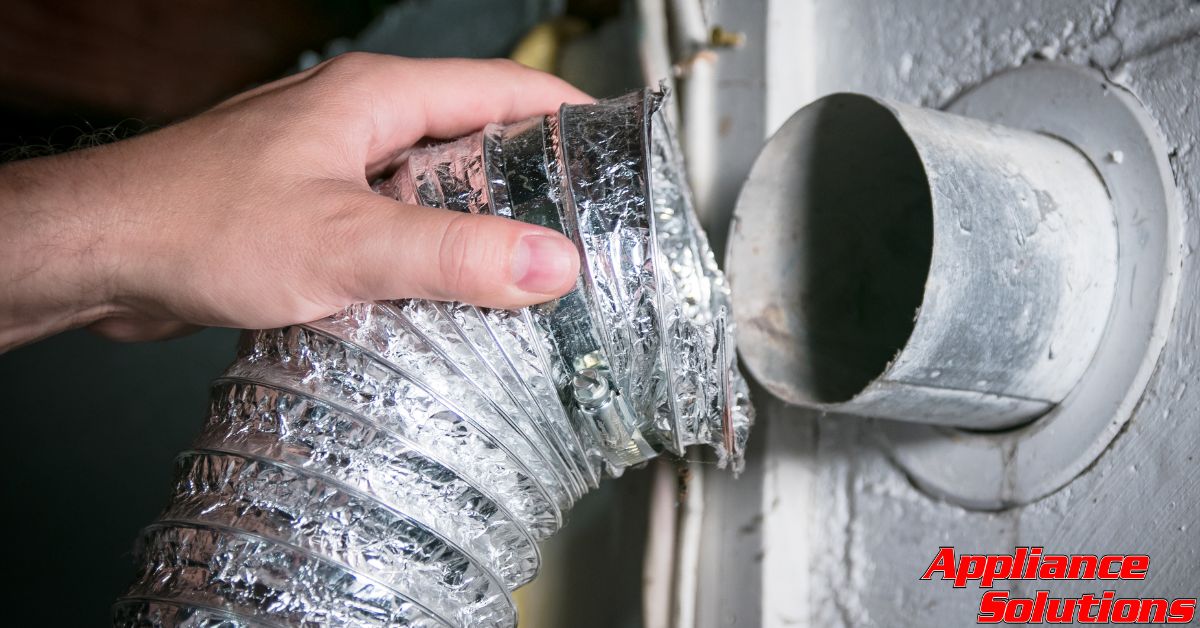
If your dryer vent is clogged with lint, hot air can’t circulate properly — and your dryer might overheat or shut off the heat as a safety measure. Not to mention, a clogged vent is a major fire hazard.
Pull your dryer away from the wall and disconnect the vent. Use a vacuum or a special dryer vent brush to clear it out. Better yet, make this part of your regular home maintenance routine. A clean vent = a happy, hot dryer.
 Broken Heating Element (Electric Dryers)
 Broken Heating Element (Electric Dryers)
This is one of the most common dryer repair issues. The heating element is what actually creates the heat in an electric dryer. Over time, it can burn out — especially if the dryer is overloaded or if the vent is frequently clogged.
You’ll need a multimeter to test it for continuity. No continuity? That means the element is dead and needs replacing. It’s not the cheapest fix, but it’s doable if you’re handy. Otherwise, a qualified dryer repair tech can handle it.
Faulty Thermal Fuse
A thermal fuse is a safety device that shuts off the dryer if it overheats. If your dryer isn’t heating at all, the thermal fuse might have blown — and unlike a circuit breaker, you can’t just reset it.
Again, a multimeter will tell you if it’s bad. If it is, replace it — and then figure out what caused the overheat. Was it a clogged vent? A faulty thermostat? Fix that too, or you’ll be replacing the fuse again soon.
Bad Thermostat or Cycling Thermostat
Dryers have thermostats that regulate the temperature inside the drum. If the thermostat is stuck in the “off” position, your dryer won’t heat. There’s also a cycling thermostat that turns the heating element on and off to maintain the right temp.
Testing these components isn’t too hard with a multimeter. But if you’re unsure, it’s best to have a dryer repair technician take a look. Replacing a thermostat is usually a quick fix.
Malfunctioning Timer or Control Board
Sometimes the issue is electronic. If your dryer’s control board or timer is faulty, it may not be signaling the heating system to turn on. This is more likely in high-end dryers with digital controls, but it can happen in old-school models too.
These parts are a bit pricier and trickier to diagnose without training. If your dryer’s acting weird in other ways — like stopping randomly or skipping cycles — this might be your culprit.
Gas Dryer Not Igniting
When your gas dryer refuses to produce heat, the most likely culprit is a failure in the gas ignition process. Several key components work together to create that warmth, and if any of them falter, the gas won’t ignite. First, the igniter should glow with heat to light the gas. If you don’t see that characteristic glow, the igniter itself has likely failed and needs replacement.
Another potential cause lies with the gas valve solenoids, which are responsible for regulating the flow of gas into the burner. If these solenoids malfunction, the necessary gas won’t reach the igniter, resulting in a lack of heat. Lastly, the flame sensor plays a crucial role by detecting the presence of the igniter’s flame. If the flame sensor fails to register the heat, it will prevent the gas from continuing to flow. While testing and replacing these parts is possible, working with gas appliances carries inherent risks, making it generally safest to call a qualified dryer repair professional for any gas-related issues.
Door Switch Issues
It might sound silly, but if the dryer thinks the door is open, it won’t turn on the heat. A broken or loose door switch can fool the dryer into thinking it’s open, even when it’s shut tight.
Try pressing the door switch manually — you should hear a click. If not, it might need replacing. Easy fix, and parts are usually cheap.
Overloaded Dryer
Overstuffing your dryer can restrict airflow and prevent the clothes from drying. If the air can’t circulate, the heat doesn’t matter — your clothes will stay damp.
Try running a smaller load and see if that makes a difference. If it does, you’ve found your issue — and dodged a dryer repair bill.
Dryer Settings Gone Wrong
Check your settings. If you accidentally set the dryer to “Air Fluff” or “Cool Down,” it’ll tumble with no heat. Happens to the best of us!
Switch to a heat cycle and see what happens. If that fixes it, congratulations — you’re officially a dryer repair genius.
Lint Trap Blockage
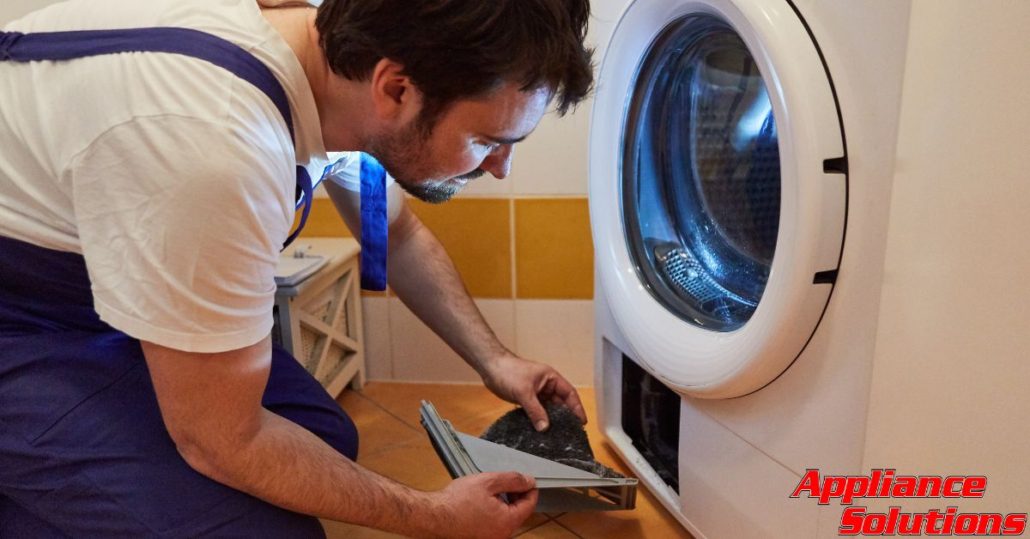
Even if you clean the main lint trap, lint can build up in hidden spots inside the dryer. This can block airflow and lead to overheating — which triggers safety shut-offs.
Give the lint trap a deep clean and vacuum the space it slides into. It’s a small step that can save you from big dryer repair headaches.
Worn Out or Broken Belt
 Worn Out or Broken Belt
If your dryer drum isn’t turning, your clothes won’t dry — even if there’s heat. But sometimes the belt can wear out or snap, leaving the drum stuck. Listen for a humming sound without spinning.
While it’s not a heating issue per se, it’s closely related. Fixing the belt usually involves opening up the dryer. If you’re not confident, call in a dryer repair tech.
Aging Dryer
Let’s be real — if your dryer is over 10–15 years old, it might just be on its last legs. Heating components wear out, sensors get sluggish, and performance drops.
At some point, constant dryer repair becomes more expensive than replacement. If you’re spending more time fixing your dryer than using it, maybe it’s time to upgrade.
When to Call a Pro for Dryer Repair
There’s no shame in calling in backup. If you’ve tried the basic stuff and your dryer still won’t heat, a professional dryer repair technician can diagnose and fix the issue safely — especially when dealing with gas lines or electrical components.
Plus, some repairs (like replacing the control board) might not be worth the DIY headache.
Dryer Repair
A dryer that won’t heat is more than just an inconvenience — it throws your whole laundry routine out of whack. But the good news? Most issues are fixable, and many are preventable with regular maintenance. Keep your vents clean, don’t overload it, and don’t ignore the little warning signs.
And if it comes down to it, don’t be afraid to call in a pro. With the right dryer repair, you’ll have warm, fluffy towels again in no time.