The Ultimate March Maintenance Checklist for Twin Cities Homeowners

March in the Twin Cities marks the transition from harsh winter conditions to the early stages of spring. Snow begins to melt, temperatures fluctuate, and homes start adjusting after months of extreme cold. This is the perfect time for homeowners to perform seasonal maintenance to protect appliances, prevent costly repairs, and prepare their homes for warmer weather. At Appliance Solutions in Ham Lake, Minnesota, we regularly see appliance issues that could have been prevented with a simple seasonal checkup. Use this March home maintenance checklist Twin Cities to keep your home running efficiently and avoid unexpected breakdowns.
Why March Home Maintenance Matters in Minnesota
Minnesota winters put significant strain on household systems and appliances. Freezing temperatures, heavy snow, and constant furnace use can create wear and tear that often goes unnoticed.
A proactive maintenance routine in March helps you:
- Prevent appliance breakdowns
- Improve energy efficiency
- Extend appliance lifespan
- Avoid costly emergency repairs
- Prepare your home for spring humidity and temperature changes
March Home Maintenance Checklist for Twin Cities Homes
1. Clean Refrigerator Coils
Your refrigerator works harder during winter months, especially when households cook more and host gatherings.
Dust and debris on condenser coils force the appliance to work harder, increasing energy use and wear.
What to do:
- Pull the refrigerator away from the wall
- Vacuum or brush the condenser coils
- Check for dust buildup behind the unit
Tip: Cleaning coils twice per year can significantly extend refrigerator life.
2. Inspect Your Washing Machine Hoses
Cold weather can cause rubber hoses to stiffen and crack. A burst washer hose is one of the most common causes of household water damage.
Checklist:
- Check hoses for bulges or cracks
- Ensure connections are tight
- Replace rubber hoses every 3–5 years
- Consider upgrading to braided stainless steel hoses
3. Deep Clean Your Dishwasher
After months of heavy use, your dishwasher likely has grease buildup, soap residue, and food particles.
Steps for a quick dishwasher refresh:
- Remove and rinse the filter
- Run a cleaning cycle with dishwasher cleaner or vinegar
- Wipe down door seals
- Check spray arms for clogs
This helps improve cleaning performance and prevents unpleasant odors.
 4. Test Your Dryer Vent and Airflow
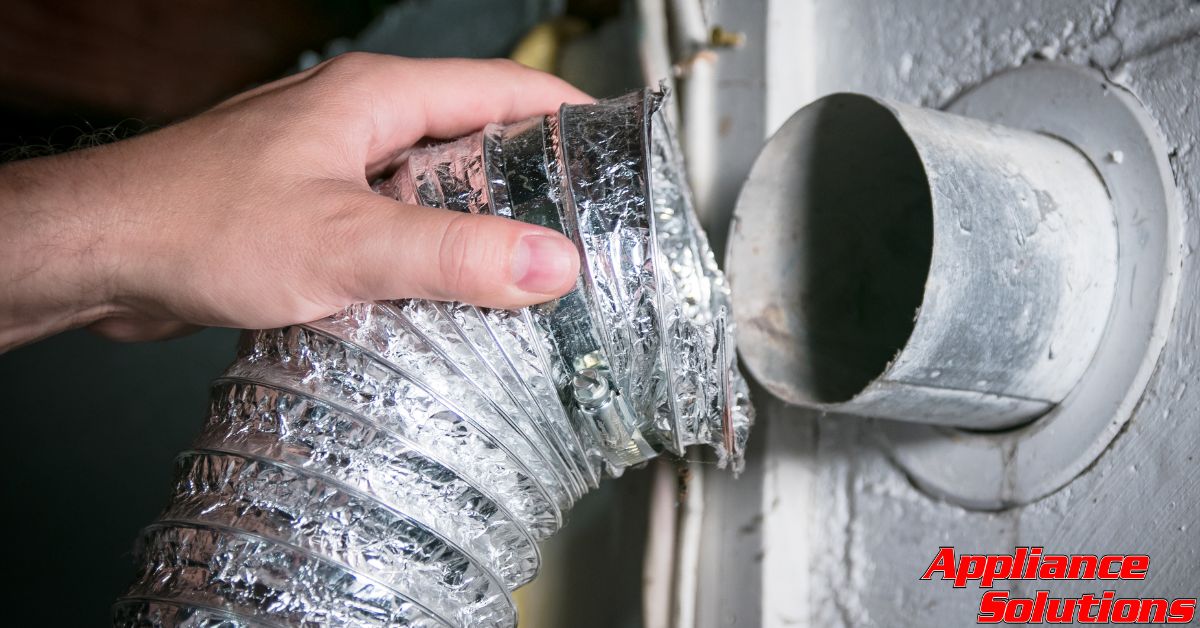 4. Test Your Dryer Vent and Airflow
Dryers work especially hard during winter because outdoor drying is impossible.
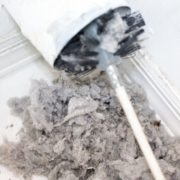
Lint buildup in vents is not just inefficient—it’s a major fire hazard.
Dryer maintenance tips:
- Clean the lint trap after every load
- Inspect the dryer vent hose
- Ensure the exterior vent flap opens properly
- Schedule professional vent cleaning if airflow seems weak
5. Check Your Oven and Range
March is a great time to clean and inspect your cooking appliances after heavy winter use.
Maintenance checklist:
- Test oven temperature accuracy
- Clean burners and drip pans
- Run the oven self-clean feature if available
- Inspect gas burners for uneven flames
If you notice inconsistent heating or ignition issues, it may be time for service.
6. Inspect Ice Makers and Water Lines
Freezing temperatures can stress water lines connected to refrigerators.
Look for:
- Small leaks behind the refrigerator
- Slow ice production
- Water pooling under the appliance
Addressing these early can prevent larger plumbing issues.
7. Replace HVAC and Appliance Filters
March is a critical month to change filters as your heating system transitions toward spring use.
Filters to check:
- Furnace filter
- Range hood filter
- Refrigerator air filters
- Water filters in refrigerators
Clean filters improve indoor air quality and appliance performance.
8. Listen for Unusual Appliance Sounds
Many appliance failures begin with subtle warning signs.
Pay attention to:
- Grinding from washers
- Loud humming from refrigerators
- Squealing dryer belts
- Clicking ignition on ovens
If you notice new noises, scheduling an inspection early can prevent major breakdowns.
When to Call a Professional Appliance Technician
Some maintenance tasks are simple DIY projects, but certain warning signs require professional attention.
Contact an appliance technician if you notice:
- Water leaks around appliances
- Appliances not heating or cooling properly
- Electrical burning smells
- Repeated circuit breaker trips
- Appliances shutting off unexpectedly
Early repairs are almost always less expensive than replacing an entire appliance.
Spring Is the Best Time to Prevent Appliance Problems
March is a transition month for Minnesota homes. Taking time now to inspect and maintain your appliances helps you avoid mid-summer breakdowns and unexpected repair bills.
Preventative maintenance also improves energy efficiency, which can lower utility costs throughout the year.
For homeowners in the Twin Cities area, regular seasonal maintenance is one of the easiest ways to protect your investment and keep your home running smoothly.
Frequently Asked Questions
How often should appliances be professionally serviced?
Most major household appliances should be inspected every 1–2 years. Regular maintenance helps detect wear, improve efficiency, and prevent unexpected failures.
What appliance problems are most common after winter?
The most common issues include clogged dryer vents, cracked washer hoses, refrigerator coil buildup, and dishwasher drainage problems.
Can regular maintenance extend appliance lifespan?
Yes. Simple tasks like cleaning coils, replacing filters, and inspecting hoses can add several years to an appliance’s lifespan.
What is the most important appliance maintenance task in spring?
Dryer vent cleaning is one of the most important. Lint buildup can reduce efficiency and significantly increase fire risk.
When should I replace an appliance instead of repairing it?
If an appliance is over 10–15 years old and the repair cost exceeds 50% of replacement value, replacement is often the more cost-effective option.