Why isn’t my oven heating up?
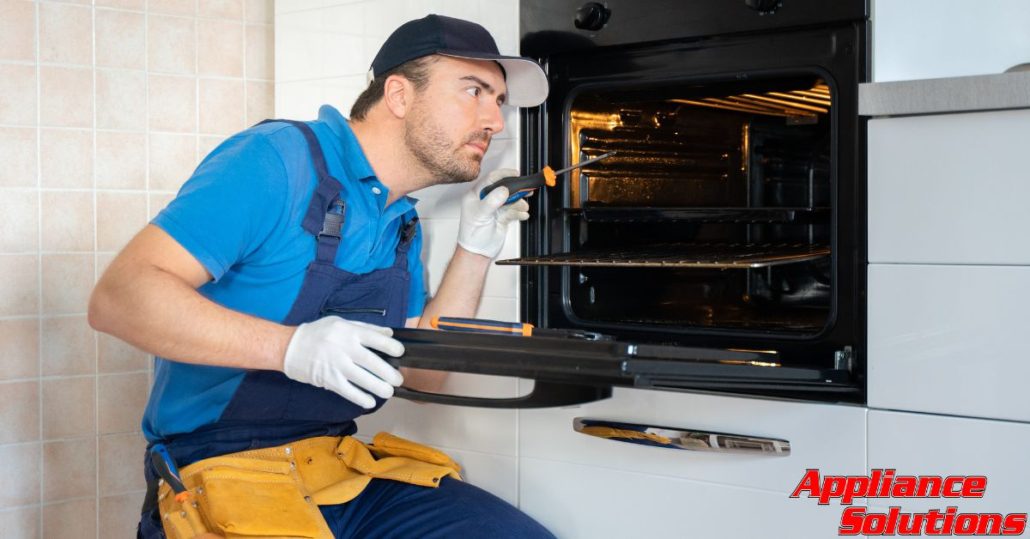
So, you’re all set to make your favorite lasagna, you preheat the oven, and then—nothing. The oven’s on, but it’s not heating. Frustrating, right? Whether you’re dealing with a gas or electric oven, when it refuses to heat, it brings your cooking plans to a halt. Let’s dive into the most common reasons why this happens, and how you can fix it—without losing your cool.
The Oven Repair Basics: What You Need to Know
Before you panic and start Googling for a new oven, let’s take a step back. Most heating issues don’t mean your oven is completely broken. In fact, many of them are minor and fixable—sometimes without even calling in a technician. But understanding the root of the problem is the first step to getting your oven back in business.
Power Issues: The Silent Culprit
For electric ovens not heating, the initial step is to verify the power source, ensuring the oven is securely plugged into a functioning outlet; you can test the outlet by plugging in another appliance to see if it works, and if it doesn’t, the issue likely lies with the circuit breaker.
Electric ovens draw significant power, making a tripped circuit breaker or blown fuse a common cause of heating failure; inspect your breaker box to see if the oven’s switch is off or in a middle position, and if so, flip it off completely before switching it back on to restore power.
Gas Supply Problems (Gas Ovens)
For a gas oven that isn’t heating, first ensure the gas valve, typically located behind the oven, is fully open to allow gas flow; if the valve is open, the issue might be with the ignition system: older ovens use a pilot light that may have gone out, while newer models use electronic igniters that can fail, preventing the gas from lighting and requiring igniter replacement, a common repair.
Faulty Heating Elements (Electric Ovens)
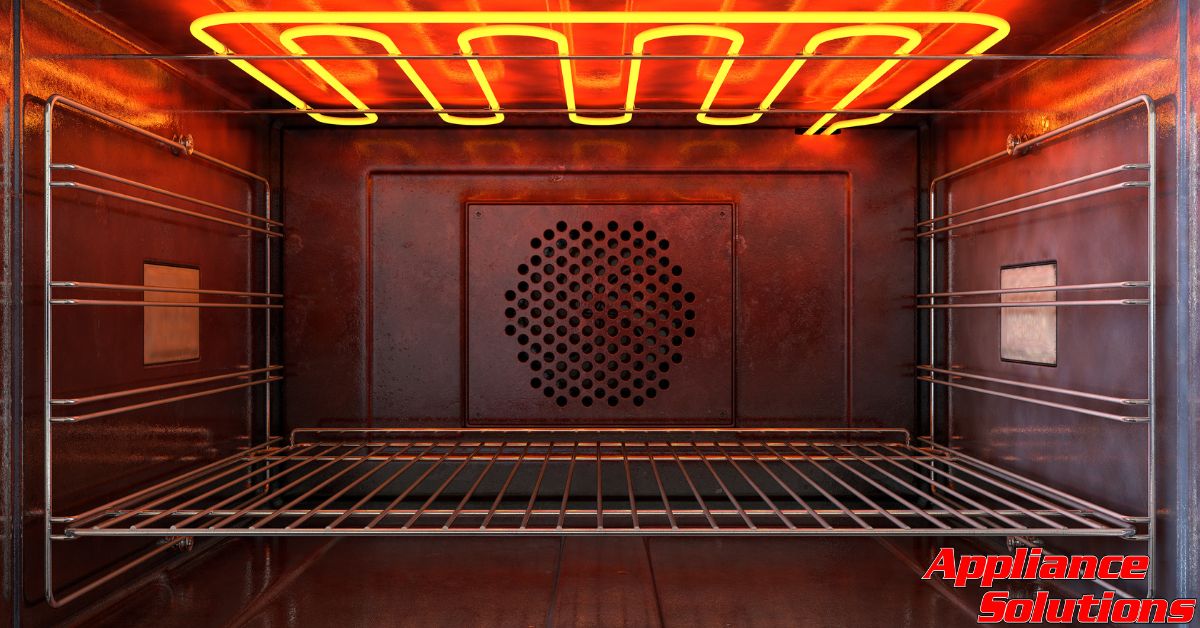
Electric ovens rely on both a bottom bake element and a top broil element for heating, and if either is burnt out or damaged, the oven won’t heat correctly; to check, turn the oven on and see if both elements glow red, and if not, the non-glowing element is likely the problem, which can often be resolved by replacing it with just a screwdriver and some patience.
 Temperature Sensor Problems
 Temperature Sensor Problems
Your oven relies on a temperature sensor to control heat, and if this sensor malfunctions or becomes dislodged, it can lead to inaccurate heating or a complete failure to heat; signs of a faulty sensor include the oven not heating, food taking excessively long to cook, or uneven heating, so while a malfunctioning sensor is often easily replaced, it’s always wise to first check for a loose wire before assuming the sensor itself is the issue.
Control Board Failure
If you’ve ruled out all the basic stuff, the issue could lie with the oven’s control board. This is basically the brain of the oven. If it malfunctions, it may not send the correct signals to the heating elements or igniters.
This kind of oven repair is a bit more technical and often requires a pro. But it’s still cheaper than buying a whole new oven.
Blown Thermal Fuse
The thermal fuse is a safety device designed to shut off power to the oven if it overheats. Once it blows, the oven won’t heat again until it’s replaced.
You’ll need a multimeter to test it. No continuity? You’ve found the problem.
Door Switch or Latch Malfunctions
Sometimes an oven won’t heat if the door isn’t properly closed due to a damaged latch or a faulty door switch that isn’t registering as “closed”; try firmly opening and closing the door, listening for the click of the activating door switch, and if you don’t hear it, the switch might be bad and require replacement.
Oven Timer or Delay Start Feature Activated
It happens more often than you’d think. Sometimes, the delay start or timer is accidentally turned on. If your oven isn’t heating and it’s a newer digital model, check the timer settings. You might’ve set it to start later without realizing.
Cancel any timers or delays and try again.
Calibration Is Off
Ever feel like your oven is on a different time zone? It says it’s 400°F, but your cookies are still doughy after 20 minutes. Your oven might be out of calibration.
You can check this with an oven thermometer. If it’s off by more than 15–20 degrees, recalibrating might help. Most ovens have instructions in the manual—or online—on how to recalibrate.
Broken Relay Board
In some ovens, a separate relay board works with the control board to manage the heating elements. If this board goes bad, it can prevent one or both elements from turning on.
This isn’t a common failure, but if everything else checks out, it could be the root of the issue.
When to Call for Professional Oven Repair
 When to Call for Professional Oven Repair
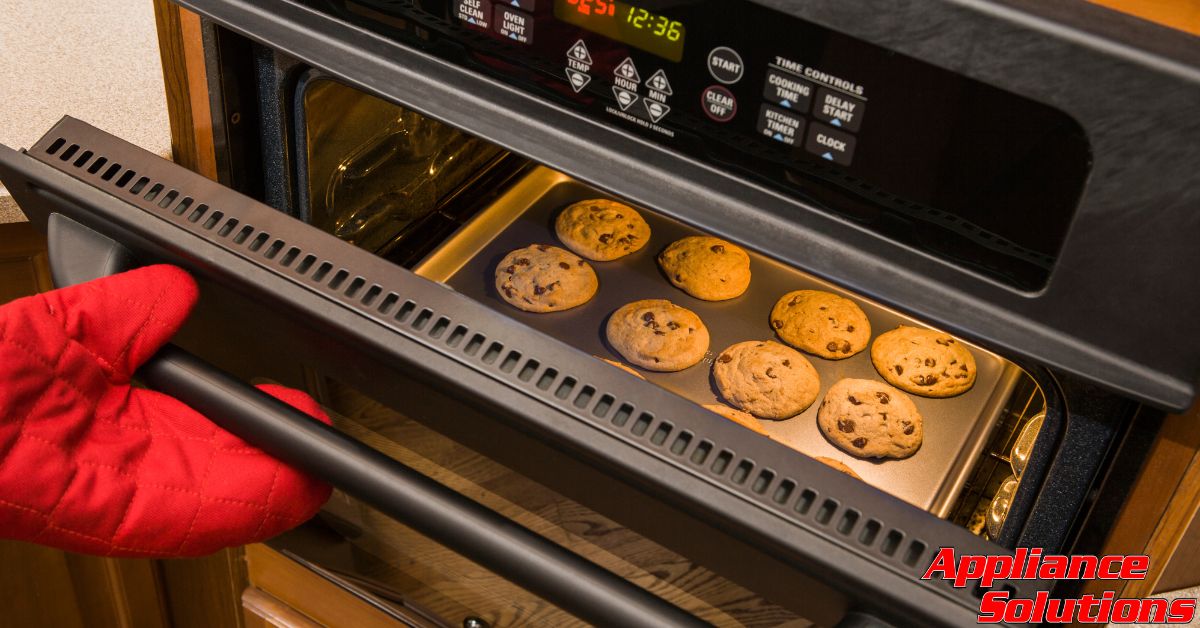
Knowing when to move beyond DIY fixes is key; if you’ve checked the power, replaced the heating element, or inspected the gas line and your oven still isn’t heating, it’s time to call a professional, especially if you smell gas, have unsuccessfully replaced multiple parts, or are uncomfortable with electrical components, as professional repair services can ultimately save you time, stress, and money.
Prevention Tips to Avoid Future Oven Issues
You just want your oven to work, and a little care ensures it does: clean it regularly to prevent clogs, avoid slamming the door to protect the latch and sensor, promptly address any unusual smells or noises, and schedule yearly check-ups for frequent use; these small habits will extend your oven’s life and prevent the dreaded “why isn’t my oven heating?” moment.
Oven Repair Tips
When your oven stops heating, it can feel like a total disaster—but it doesn’t have to be. Whether it’s a power problem, faulty element, or a sneaky control board glitch, there’s usually a straightforward fix. And hey, if you’re not into DIY, calling a trusted oven repair service can get things back on track quickly.
The next time your oven decides to take a nap, don’t stress. Just run through the list above, and you’ll likely find the issue—and the fix. Happy cooking!