Common Appliance Problems and When to Call for Repair
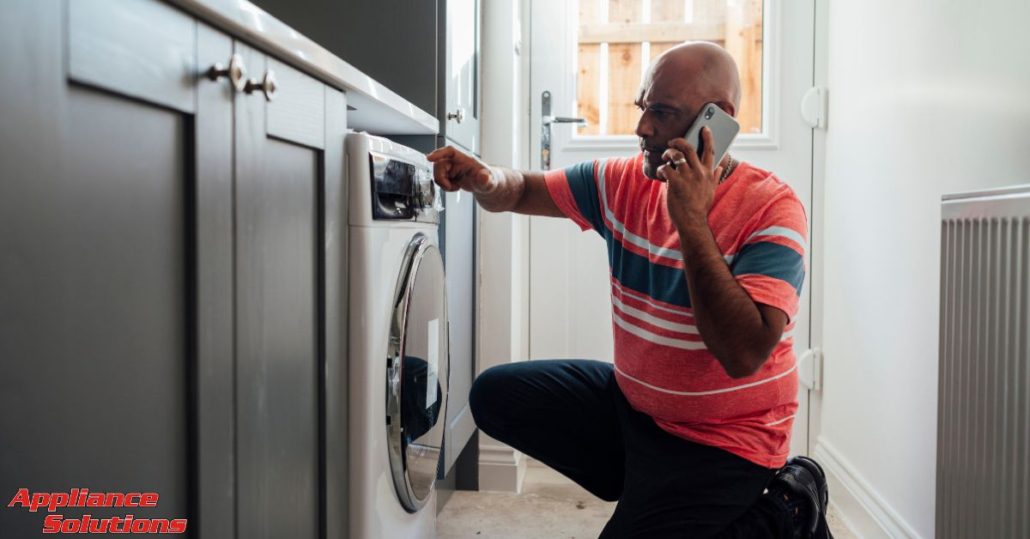
Modern appliances are the unsung heroes of our daily lives. From keeping our food fresh to making our clothes clean and dry, they quietly do their jobs—until they don’t. Nothing throws a wrench into your daily routine like a malfunctioning fridge or a dryer that suddenly refuses to heat. Some issues are easy enough to fix on your own, but others? Not so much. The key is knowing when you can DIY and when it’s time to call in the pros for appliance repair.
The Refrigerator That Stops Cooling
A warm fridge can trigger a panic attack, especially if it’s loaded with perishables. Often, this issue is caused by a dirty condenser coil or a faulty thermostat. If cleaning the coils and adjusting the thermostat doesn’t help, you might be looking at a broken compressor or motor—components best left to the professionals. Trying to tinker with the sealed systems inside your fridge can be dangerous and might void your warranty.
Washing Machine That Won’t Spin
There’s nothing quite as frustrating as opening the washer to find soaking wet clothes. A washer that won’t spin could be dealing with a broken belt, a faulty lid switch, or even a motor issue. Checking for unbalanced loads or resetting the machine can sometimes resolve the issue. But if the machine still refuses to spin after a quick DIY check, it’s time to call a technician. Water and electricity aren’t a mix you want to gamble with.
Dryer Not Heating Up
If your dryer is tumbling but not producing heat, it might be a simple case of a tripped circuit breaker or a clogged lint trap. But if you’ve already checked those and it’s still cold, a blown thermal fuse or a malfunctioning heating element might be to blame. These parts are not only tricky to access but also potentially hazardous if handled incorrectly. Professional repair ensures the issue is fixed safely and thoroughly.
Dishwasher Leaving Dishes Dirty
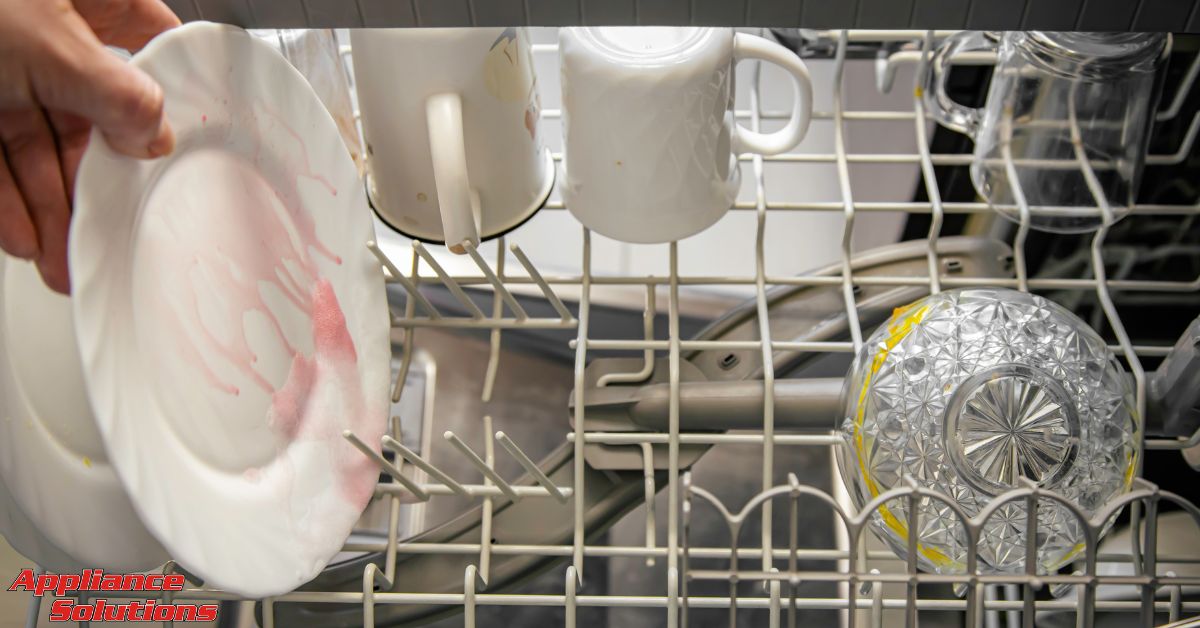
A dishwasher that doesn’t clean is practically useless. Before panicking, try cleaning the filter, loading dishes correctly, and using a rinse aid. However, persistent grime on your dishes might mean trouble with the spray arms, water inlet valve, or even a failing pump. These internal parts are complex and often require specialized tools to diagnose and repair. A service call can save you time and prevent further damage.
 Oven Not Heating Properly
 Oven Not Heating Properly
Uneven baking and undercooked meals could be a sign that your oven is struggling. This is often due to a broken heating element or a faulty temperature sensor. Electric ovens make it relatively easy to see if an element is glowing. If it’s not, replacing it might be straightforward for the handy homeowner. Gas ovens, on the other hand, pose a higher risk and should only be serviced by a licensed technician due to the risk of gas leaks.
Microwave Not Powering On
When your microwave refuses to turn on, first check the outlet and circuit breaker. If the power source is fine, the problem could lie with the door switch, fuse, or internal wiring. Microwaves store high-voltage energy, even when unplugged, so opening them up is not a good idea unless you’re a trained technician. A professional can safely determine if your microwave can be salvaged or if it’s time for a new one.
Garbage Disposal Jammed or Not Running
A jammed disposal can usually be cleared using the built-in hex key at the bottom of the unit. Always remember to cut power before attempting any fix. If the disposal hums but doesn’t turn or won’t power on at all, the motor might be burnt out. Replacing a garbage disposal isn’t usually a complex job, but if you’re unfamiliar with plumbing and electrical connections, it’s best left to a repair tech.
Water Heater Not Producing Hot Water
A cold shower is a rude awakening. If your water heater isn’t delivering hot water, it could be due to a tripped circuit breaker, failed thermostat, or a broken heating element. For gas units, it could mean a pilot light or gas valve issue. Due to the risk of electric shock and gas leaks, most water heater issues should be handled by a licensed technician.
Freezer Frost Build-Up
Frost in the freezer used to be normal, but today’s frost-free models shouldn’t develop build-up. If they do, a faulty defrost timer, heater, or thermostat could be to blame. Ignoring this can lead to cooling problems and spoiled food. If a manual defrost doesn’t solve the problem, it’s best to bring in a pro before the issue worsens.
Range Hood Not Ventilating Properly
Range hoods remove smoke and odors from your kitchen. If they’re no longer doing the job, a clogged filter or broken fan motor could be the culprit. Cleaning or replacing filters is easy, but dealing with fan issues might involve electrical wiring and mounting hardware—something a repair tech is better equipped to handle.
Ice Maker Not Working
A common fridge add-on that often malfunctions is the ice maker. It could be as simple as a frozen water line or an improperly set temperature. However, if the problem is tied to the water inlet valve or the motor module, repairs can get intricate. Since these parts are hidden behind panels and involve water lines, it’s usually better to call a technician.
Washer Making Loud Noises
Your washing machine shouldn’t sound like a rocket launch. Thumping, grinding, or banging noises could indicate worn-out drum bearings, loose belts, or a failing motor. While some noises can be resolved by rearranging the laundry or leveling the machine, persistent loud noises are a red flag. Continuing to run a noisy washer might make the problem worse—and more expensive to fix.
Dryer Taking Too Long to Dry Clothes
If your dryer takes two or more cycles to dry clothes, the issue might not be with the dryer itself. A clogged vent or lint trap can restrict airflow and reduce efficiency. Start by cleaning these areas thoroughly. If the problem persists, the heating element, thermostat, or moisture sensor might be failing. A technician can help pinpoint the problem quickly and get your dryer back to peak performance.
Oven Door Won’t Shut Properly
An oven door that doesn’t close all the way can lead to uneven cooking and wasted energy. This often happens due to worn-out hinges, damaged seals, or latch problems. These parts may seem minor, but they’re essential for proper functioning. Fortunately, a quick service call can usually sort it out without breaking the bank.
Smart Appliances Not Connecting to Wi-Fi
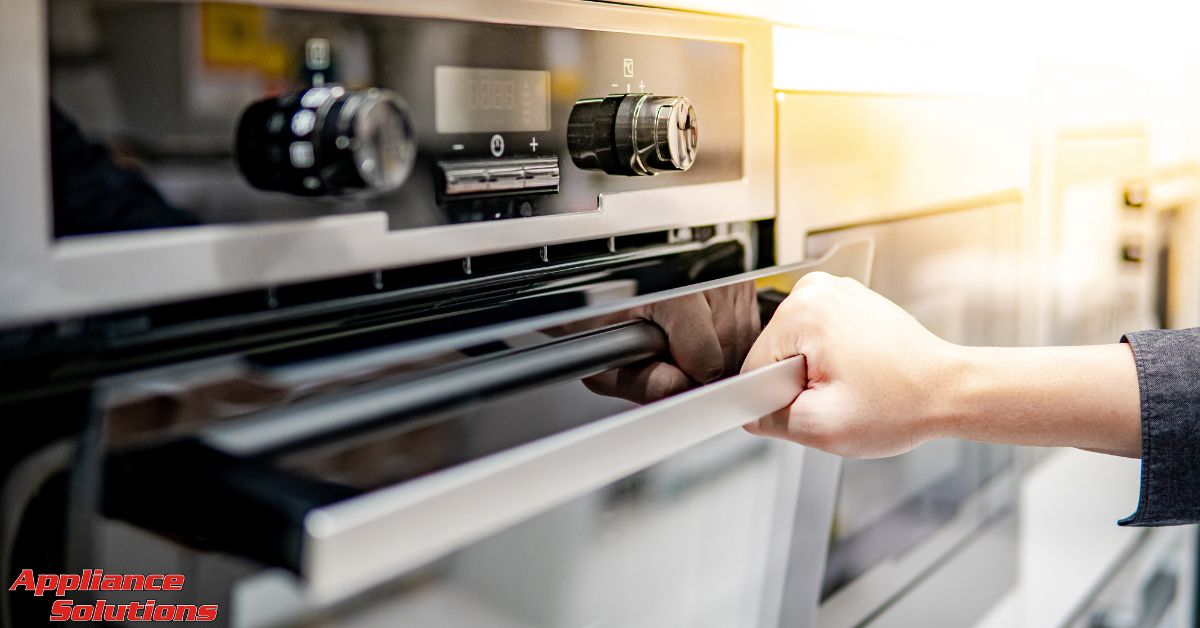
Welcome to the age of smart kitchens and laundry rooms. But when your smart fridge or oven loses its connection, it can be frustrating. Most times, it’s a simple software update or network issue. However, if reconnecting the device fails repeatedly, the appliance’s internal Wi-Fi module might be faulty. That’s a job for a technician, preferably one trained in smart appliance repair.
DIY VS When Should You Call Appliance Repair Experts?
It can be tempting to fix things yourself—especially with a million YouTube tutorials at your fingertips. But there’s a big difference between resetting a tripped breaker and opening up a high-voltage appliance. If your fix involves electricity, gas, or water—and you’re not confident or experienced—it’s always safer to call a pro. Appliance repair techs not only diagnose problems faster but also help prevent future breakdowns.
Appliance Repair
Appliances make life smoother—until they don’t. When a problem crops up, the first step is understanding whether it’s something you can handle or if it’s time to bring in a professional. Attempting complex repairs without the proper tools or knowledge can make things worse, cost more in the long run, and even be dangerous. So, whether it’s a humming dryer, a fridge gone warm, or a dishwasher that just isn’t doing its job, know your limits and don’t hesitate to call in the experts when needed.