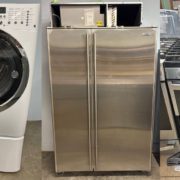
Is it Worth Fixing? Your Guide to Appliance Repair Decisions
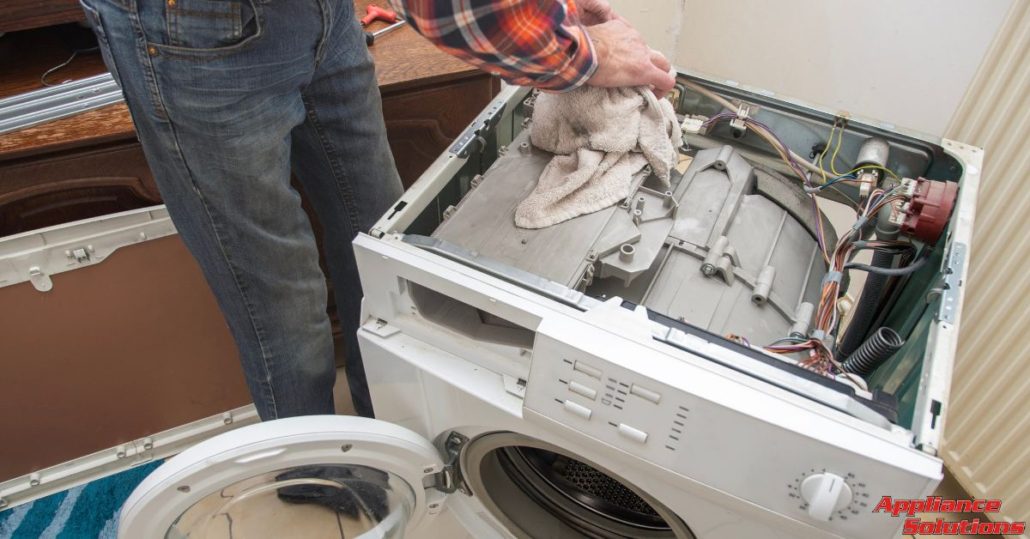
Let’s face it — appliances are the silent heroes of our homes. They wash, dry, chill, cook, and clean, making life infinitely easier. But what happens when one starts to act up? You’re suddenly stuck with a broken fridge, a dishwasher on strike, or a dryer that’s more noise than heat. At that moment, you’ve got a big decision to make: Is it worth fixing this thing, or should I just replace it? This guide walks you through everything you need to know about appliance repair decisions, to make that call like a pro.
Understanding the Appliance Repair Dilemma
Every homeowner faces this dreaded fork in the road. Appliance repair can seem like a cheaper, quicker fix. But sometimes, they’re just Band-Aids on a deeper wound. The key is to weigh several factors: cost, age, efficiency, and repair frequency.
Age Isn’t Just a Number
You’ve probably heard this one before: “If it’s older than 10 years, replace it.” That’s a decent rule of thumb — but not a hard rule.
Average Lifespans of Common Appliances
-
Refrigerator: 10-15 years
-
Dishwasher: 8-10 years
-
Washing Machine: 10-12 years
-
Dryer: 10-13 years
-
Oven/Stove: 13-15 years
-
Microwave: 7-9 years
If your appliance is nearing or past the tail end of these ranges, repairs may not be worth it. Think of it like sinking money into an old car with 200,000 miles — not ideal.
Cost of Repair vs. Cost of Replacement
A golden rule in the appliance world? The 50% rule.
What is the 50% Rule?
If the appliance repair costs more than 50% of the price of a new one, replacing it is usually smarter. For example, if a new washer is $800 and the repair quote is $450, your money is probably better spent on a new unit.
Also, don’t forget to factor in potential energy savings from newer models.
 Warranty Woes and Wins
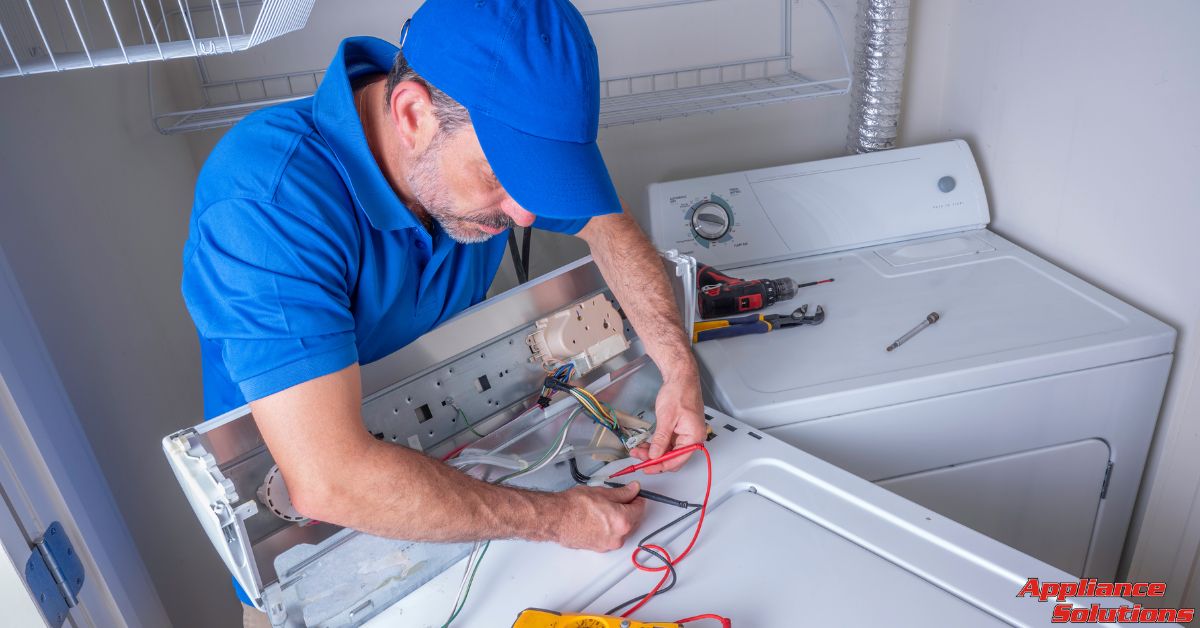 Warranty Woes and Wins
Always check the warranty status before doing anything. If your appliance is still under manufacturer or extended warranty, repairs may cost little to nothing. But if the warranty’s long expired, you’re fully on the hook for labor and parts — and that changes the math entirely.
Energy Efficiency: The Hidden Cost
Old appliances don’t just break down more; they also eat up more electricity and water.
Efficiency Upgrades Can Save Money
Energy Star-rated appliances often use 10-50% less energy than older models. Over time, that’s real money. So if your appliance is gulping power like a thirsty elephant, consider upgrading for the savings alone.
Repair History: Frequent Flyer Syndrome
If you’ve already repaired this appliance once or twice, think twice before doing it again. Constant repairs are a red flag — your machine is probably on its last legs.
How Often Is Too Often?
A good metric: if you’re repairing the same appliance more than once every 18 months, replacement is usually the better choice.
Type of Appliance: Some Are Worth More
Not all appliances are created equal. Some are inherently more worth fixing than others.
High Repair Value Appliances
-
Refrigerators (especially built-ins or French doors): These can be expensive to replace, so repairs often make more sense.
-
Wall ovens: Due to their custom fit, replacing them can be costly and complex.
-
Washers/Dryers (less than 5 years old): Generally worth fixing.
Low Repair Value Appliances
-
Microwaves: Cheap to replace, expensive to fix.
-
Dishwashers (older than 8 years): Better to replace unless it’s a simple part.
Tech Complexity: The Smarter It Gets, the Costlier It Gets
Modern appliances are smarter — but also more complex. That “smart” fridge with WIFI and touchscreen might be cool, but fixing it? Not so cool for your wallet.
Are Smart Appliances Worth Repairing?
Sometimes, but not always. Repairing digital control panels or WIFI modules can cost more than basic mechanical fixes. If the core function still works, you might skip fixing the fancy extras.
Parts Availability: A Make-or-Break Factor
Can you even get the parts? That’s a big question. Some older or obscure brands have poor parts availability, making repairs impossible or wildly expensive.
Discontinued Models = Trouble
If your appliance is out of production and the manufacturer no longer offers parts, it’s likely time to let it go.
Environmental Considerations
Repairing instead of replacing can be better for the planet — less waste, less manufacturing. But there’s a balance. If an appliance guzzles energy or coolant, replacing it might be more eco-friendly in the long run.
The Emotional Factor: Sentimental Appliances
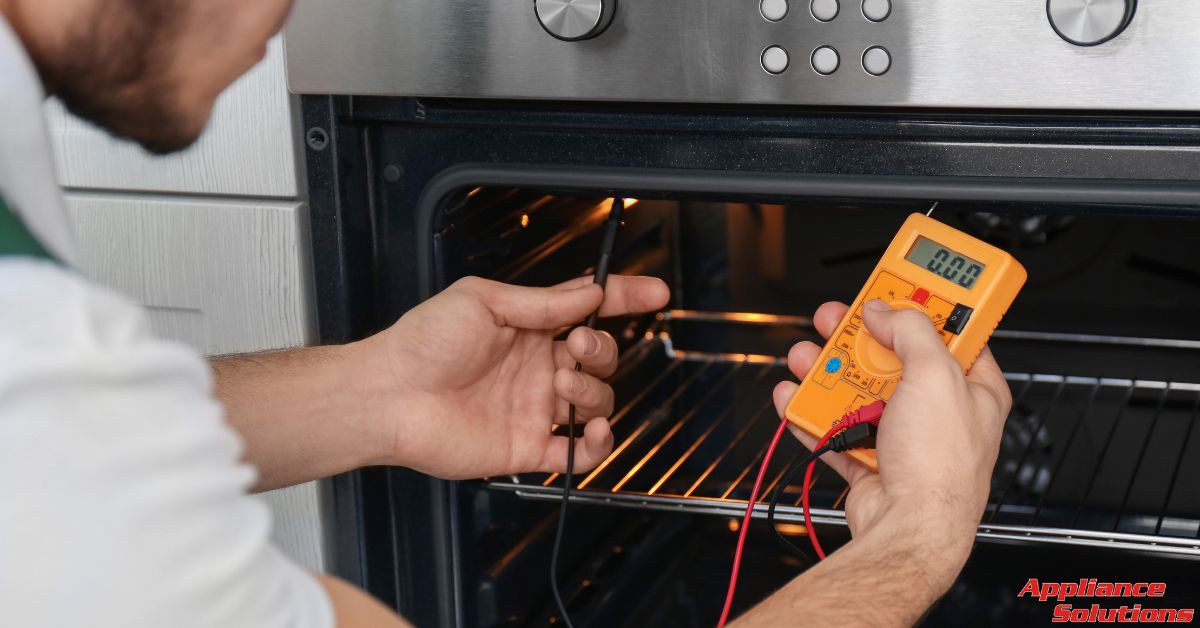 The Emotional Factor: Sentimental Appliances
We get it — sometimes an appliance holds sentimental value. Maybe it’s Grandma’s vintage stove or the fridge from your first home. Just know that emotion can cloud logic. Be honest about whether it’s worth saving or just a nostalgic anchor.
Hidden Costs of Replacement
Replacement isn’t just about buying a new appliance. You may also have to:
-
Pay for delivery
-
Handle installation fees
-
Update cabinets or counters
-
Dispose of the old unit
These extras can add up fast. Sometimes, the total cost of replacing is higher than you first thought — and in that case, repairing may be the wiser route.
So, Is It Worth Fixing?
Here’s your quick cheat sheet:
-
Under 5 years old? → Likely fix it.
-
Repair under 50% of replacement? → Fix it.
-
Energy guzzler, frequent breakdowns, or hard-to-find parts? → Replace it.
-
Still under warranty? → Definitely fix it.
-
One repair away from a meltdown? → Say goodbye.
Ultimately, it’s a mix of logic, budget, and personal preference. Don’t rush the decision — weigh the facts, consult a pro if needed, and do what feels right for your home and wallet.